
If Nyepi is Bali’s silent reset, Galungan is the family reunion — 10 days of celebration that make hearts and stomachs full.
Most New Year celebrations involve fireworks and questionable decisions made at 2 am, but Galungan is built a bit differently. This special Balinese occasion is centered in family traditions — gathering the entire clan for feasts and celebrations.
If Nyepi is the silent reset, Galungan is the family reunion. This is Bali’s most important Hindu festival: a 10-day event when ancestral spirits return to visit their families on Earth, and all islanders put on their best clothes to welcome them.
Bali, explained: Nyepi Day: Why Bali Welcomes the New Year in Silence
What is Galungan?
Balinese mythology tells of a powerful King Mayadenawa, who forbade his people from worshipping the gods and demanded they worship him instead. Indra and the other deities came down, defeated him in battle, and restored balance.
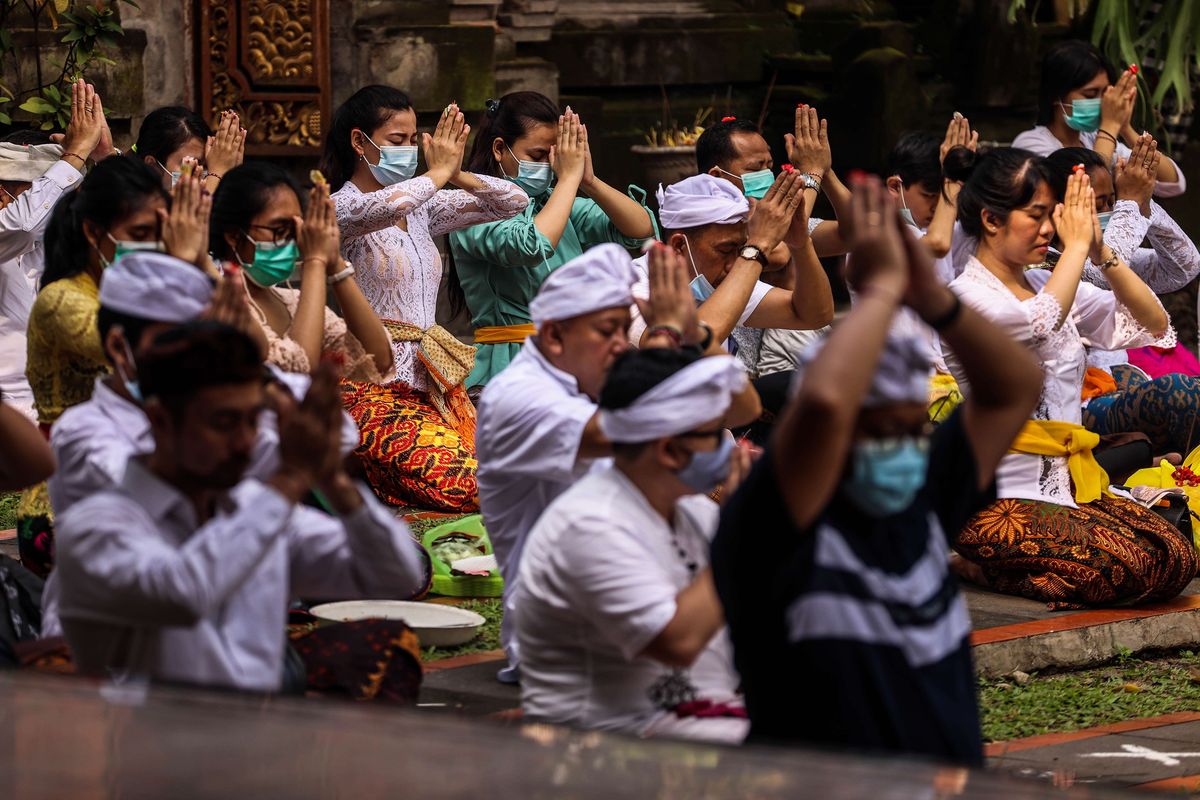
Galungan commemorates that win. Put simply, this is the day the spirits of departed loved ones return to visit. The living responds with prayer, offerings, and a great amount of food. It is, essentially, Bali’s homecoming festival.
Read next: 20 Years After Eat, Pray, Love, What Is It Like to Visit Bali Now?
When does the Galungan festival happen?
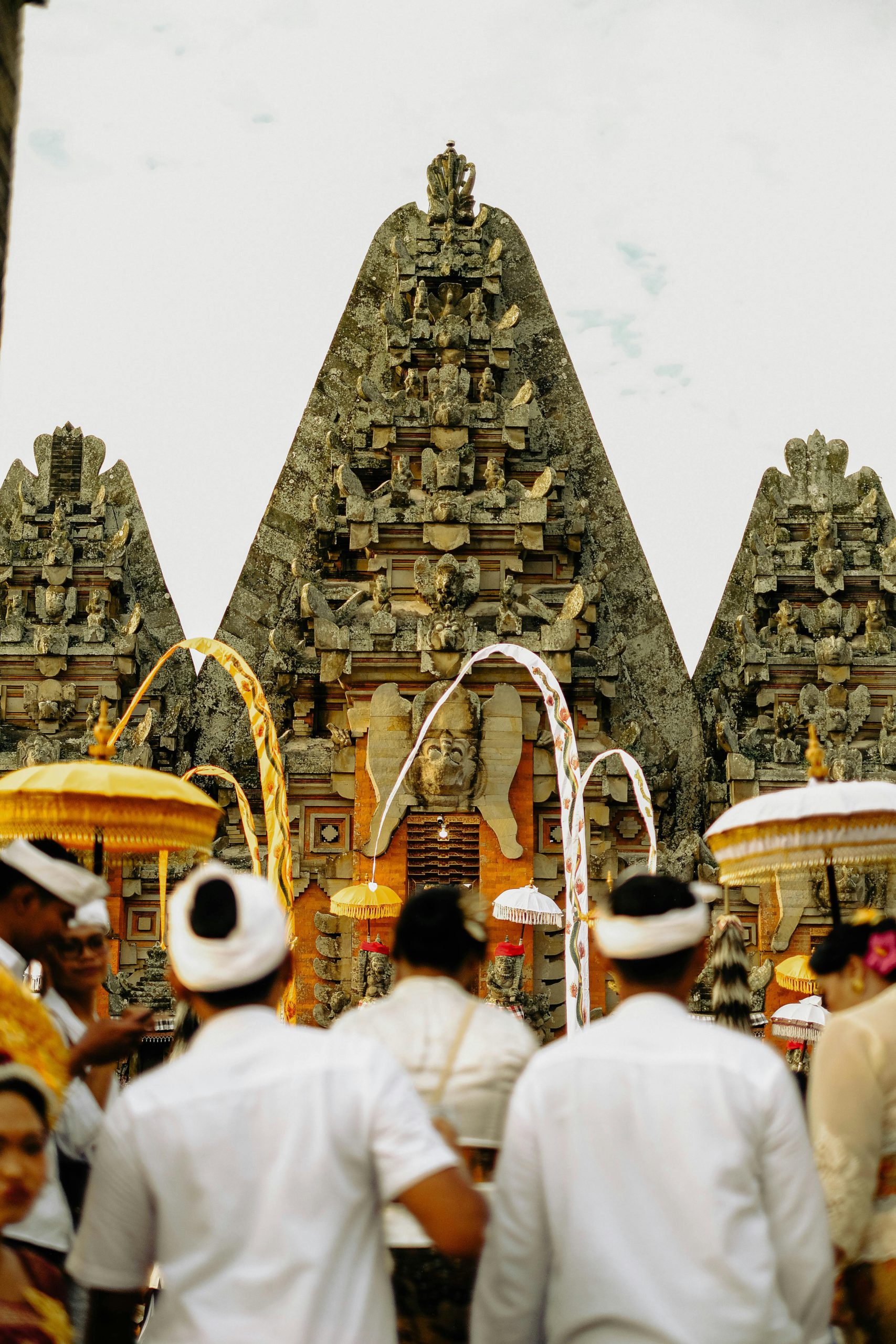
This year, Galungan falls on Wednesday, 17 June 2026 and runs through Saturday, 27 June 2026 when it closes with Kuningan. It celebrates the victory of dharma (goodness) over adharma (evil), and unlike most holidays, it ignores the Gregorian calendar entirely.
Galungan runs accoridng to Bali’s 210-day Pawukon cycle, which means it can happen twice in one year. After June 2026, the next Galungan lands on 13 January 2027, with another one on 11 August 2027.
Creative canvas: Ubud Open Studios: An Insider Peek Into Bali’s Living, Breathing Art Scene
Why is the week before Galugan so important?
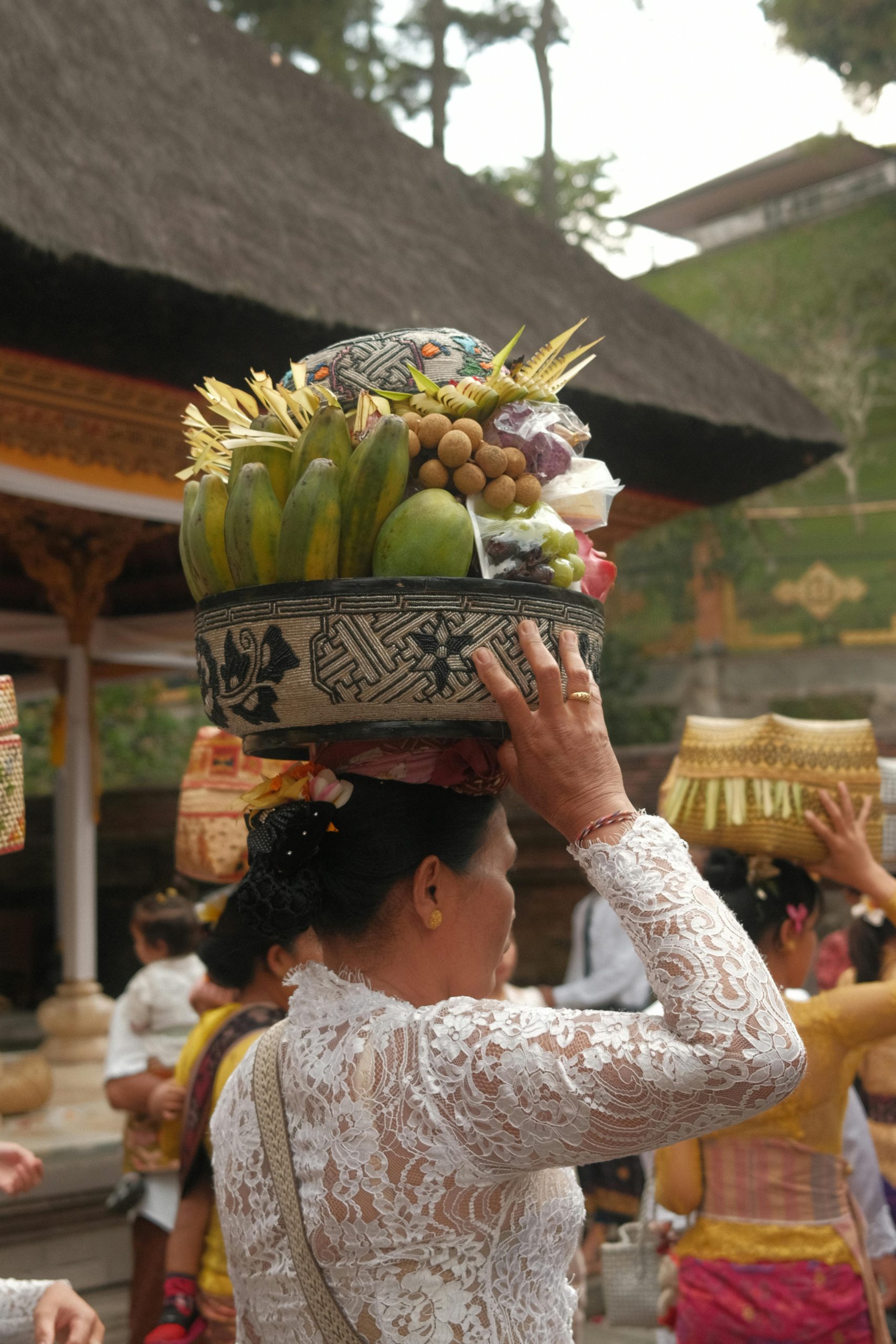
The week leading up to Galungan is when the island shifts gears. Each preparation day has its own name and job:
- Penyekeban (three days before) – Families place green bananas and ceremonial fruit in clay pots to ripen, symbolising the cultivation of goodness within. Practical and poetic, all at once.
- Penyajaan (two days before) – The women gather to make jaja, traditional Balinese rice cakes, for offerings and for sharing with neighbours.
- Penampahan (the day before) – Pigs and chickens are prepared for the feasts. Think lawar (a Balinese minced-meat salad spiced with grated coconut and fragrant herbs) and satay (skewered, grilled meat served with peanut sauce).
Shrines are cleaned, and every household raises its penjor — a tall, gracefully arched bamboo pole hung with coconut leaves, rice stalks, fruit, and woven ornaments. Each one represents Mount Agung and a prayer for prosperity.
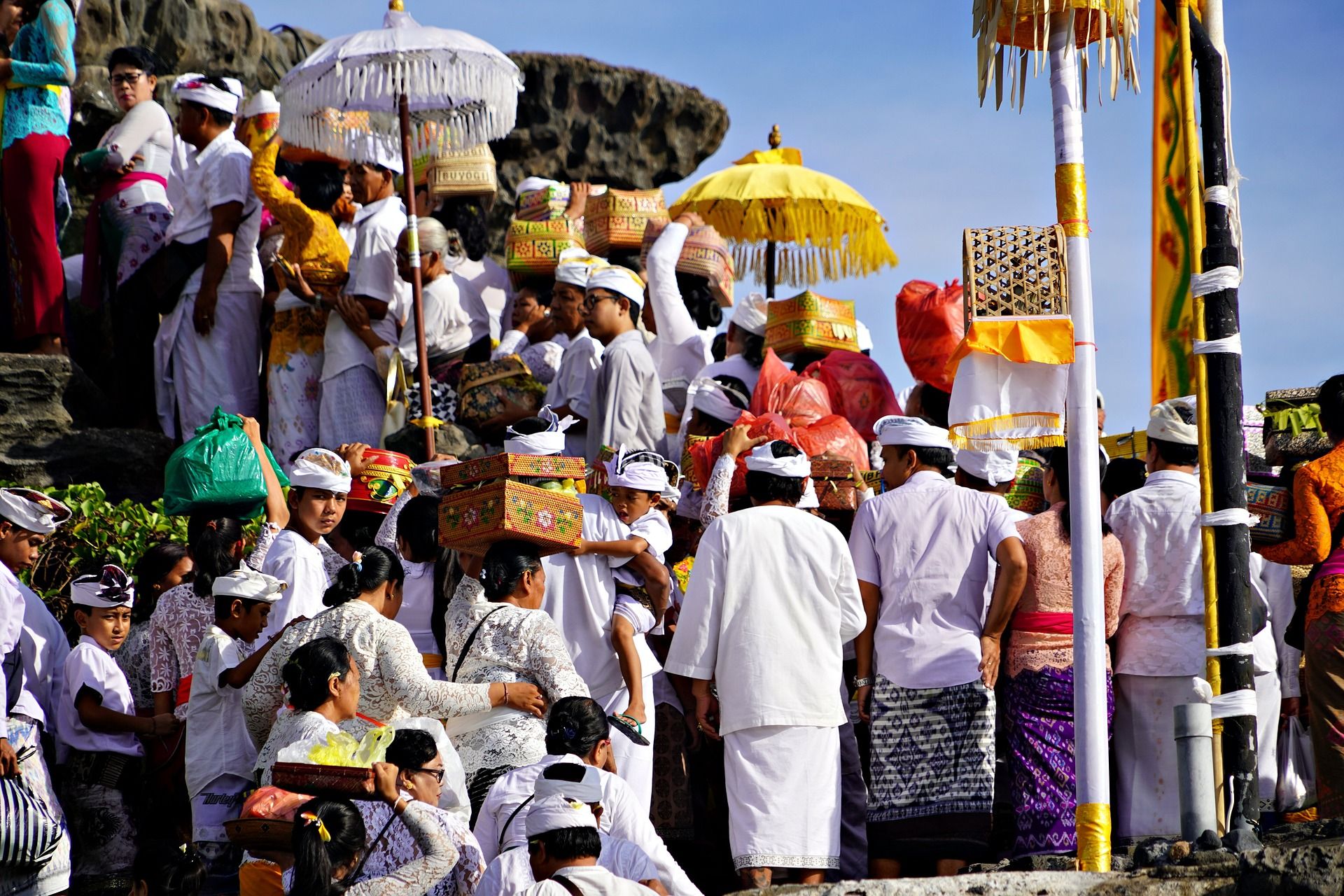
Drive through any village in this stretch and you’ll see penjor lining the streets in front of every home, shop, and warung (a small, family-run local eatery). Affluent neighbourhoods and tourist hotspots tend to feature the most elaborate designs, with central Ubud as a solid bet for the showstoppers.
About an hour northeast of Ubud, Desa Adat Penglipuran (Penglipuran Cultural Village) in Bangli is one of the cleanest villages in the world, with immaculately preserved traditional Balinese architecture. During Galungan, its single stone-paved street becomes a tunnel of penjor. Trust us, it’s quite the sight
Enhance your itinerary: The Luxe Nomad’s Complete Travel Guide to Bali 2026
What happens during Galungan?
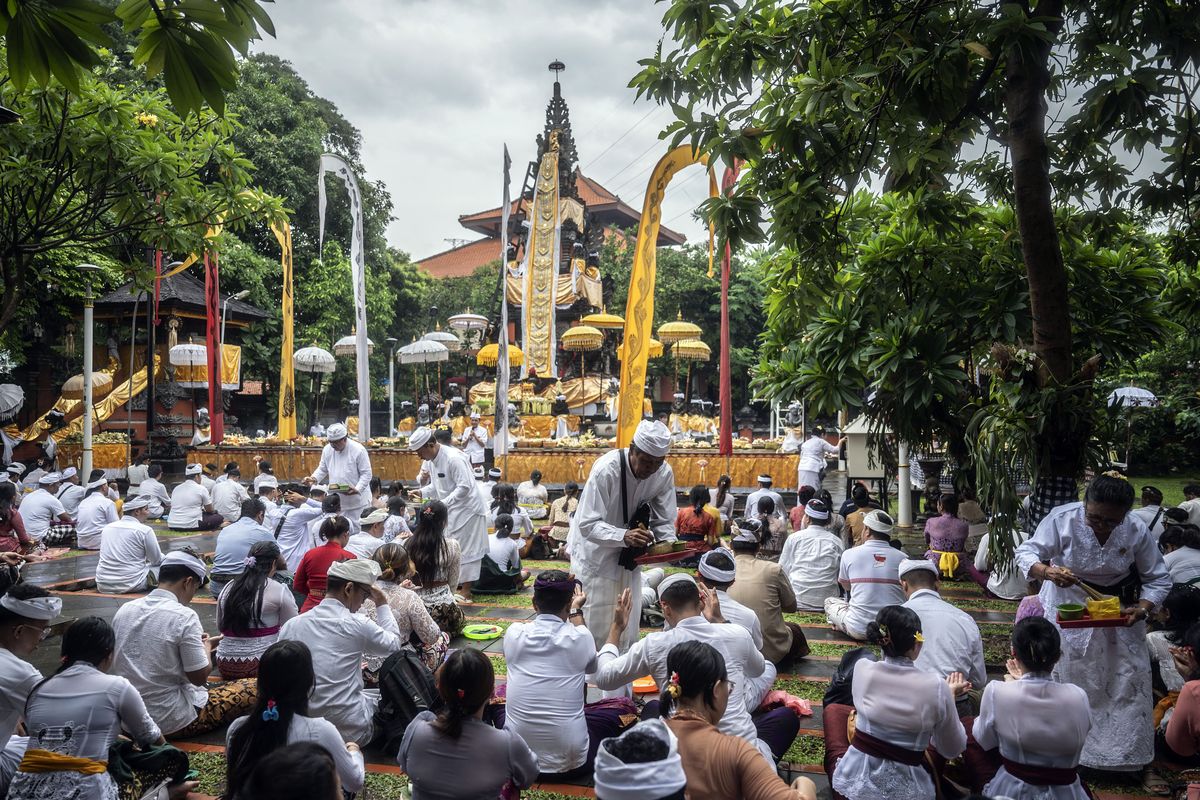
Like the days leading to Galungan, the 10-day celebration itself is quite busy. Families wake early, dress in their finest kebaya and sarongs (local wear), and move through a circuit of prayer — family shrine first, then the village temple, then sometimes a regional one.
Bells, incense, and gamelan music drift through the air all day. Most shops and government offices are closed, though . Balinese living abroad or in Jakarta fly home for the holiday, so note that domestic flights book up and village roads get busier than usual.
What should you expect as a visitor during Galungan?
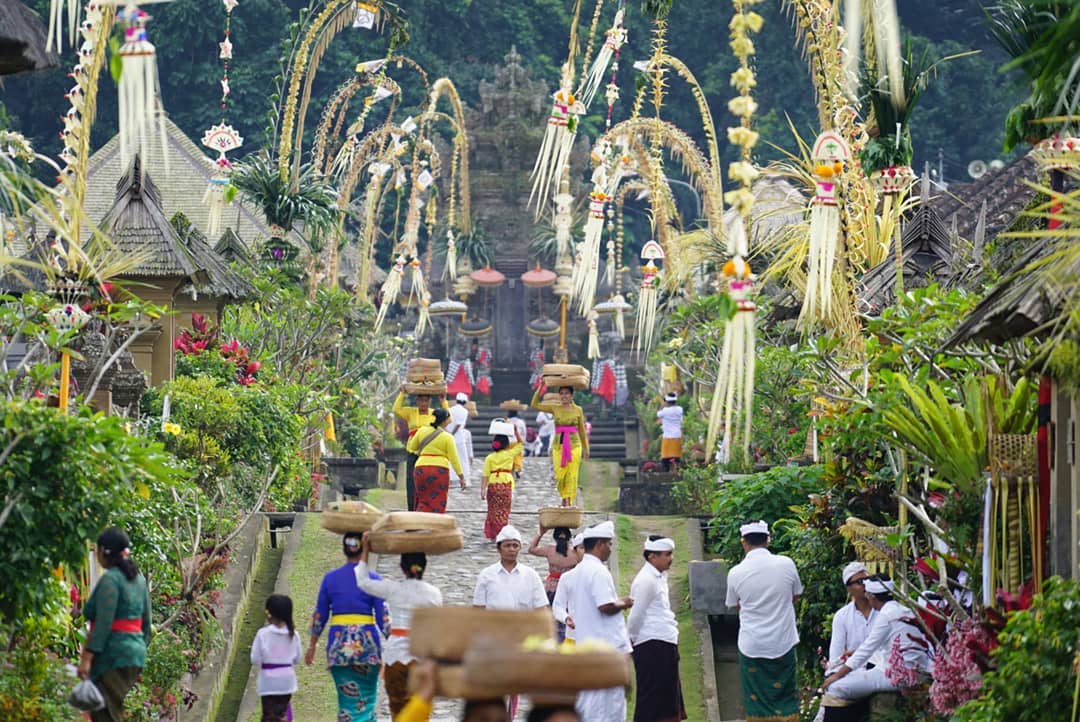
Don’t worry, villas usually stay open during Galungan. Most beach clubs and restaurants in Seminyak and Canggu also stay open. But if you want a cultural immersion, you’ll find the real action in Ubud, Sidemen, and Gianyar, where the penjor are densest and the ceremonial energy runs highest.
Walk slowly, wear a sarong and sash if you visit a temple. Photograph respectfully, never blocking a prayer line or stepping in front of a priest, and please, put the drone away. The day after Galungan is Manis Galungan — a sweeter, slower day for visiting relatives and finishing the leftovers. It’s the Balinese equivalent of Boxing Day, only with better weather.
What happens next during Kuningan?
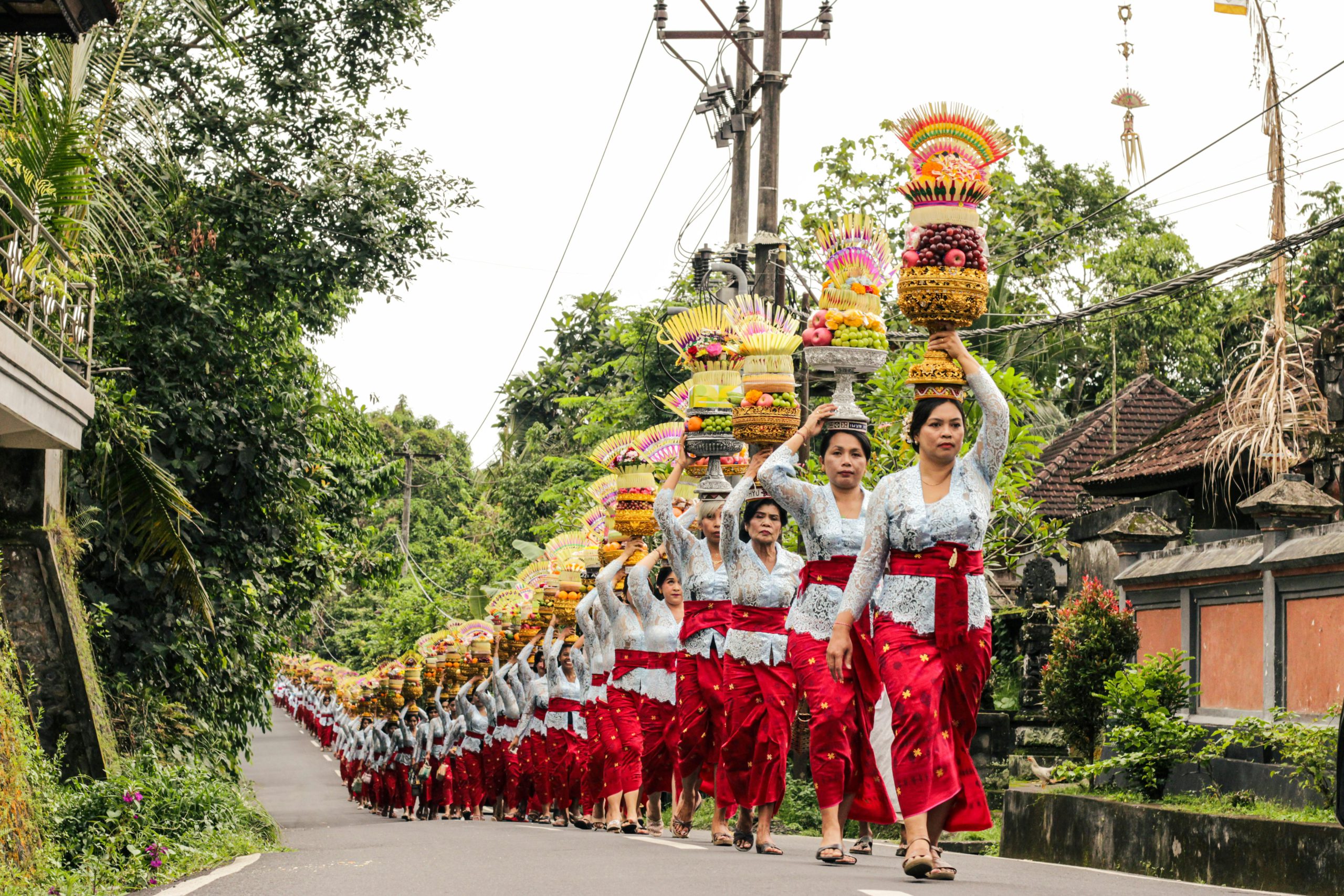
Ten days later, on Saturday, 27 June 2026, the festival closes with Kuningan, the day the ancestral spirits return to the heavens. On this day, the mood shifts slightly. Yellow becomes the dominant colour, from nasi kuning (yellow rice) offerings to the round, shield-shaped tamiang decorations made of coconut leaves.
All key ceremonies wrap up before midday, when the spirits are believed to be ascended to heaven. It’s rather quieter than Galungan day; a proper goodbye after a joyful reunion.
After all the festivities: 5 Wellness Trends to Know and Where to Try Them This Year
Why and where should you stay in Ubud during Galungan?
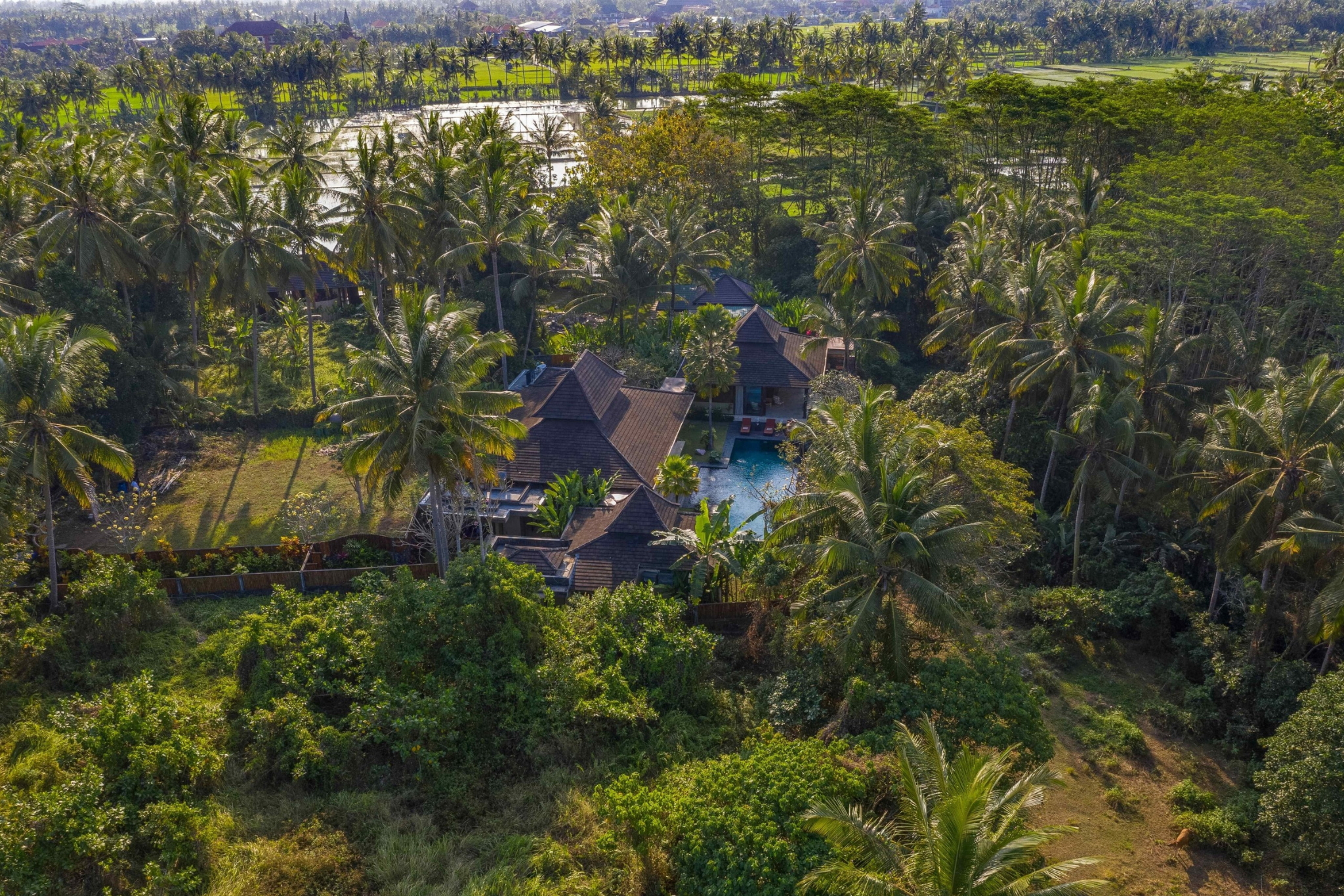
Galungan isn’t a beach-club kind of holiday. The festival happens in the villages, around the temples, under the penjor, which is precisely why Ubud is the place to base yourself. Here are our favourites from The Luxe Nomad:
Nag Shampa Private Estate
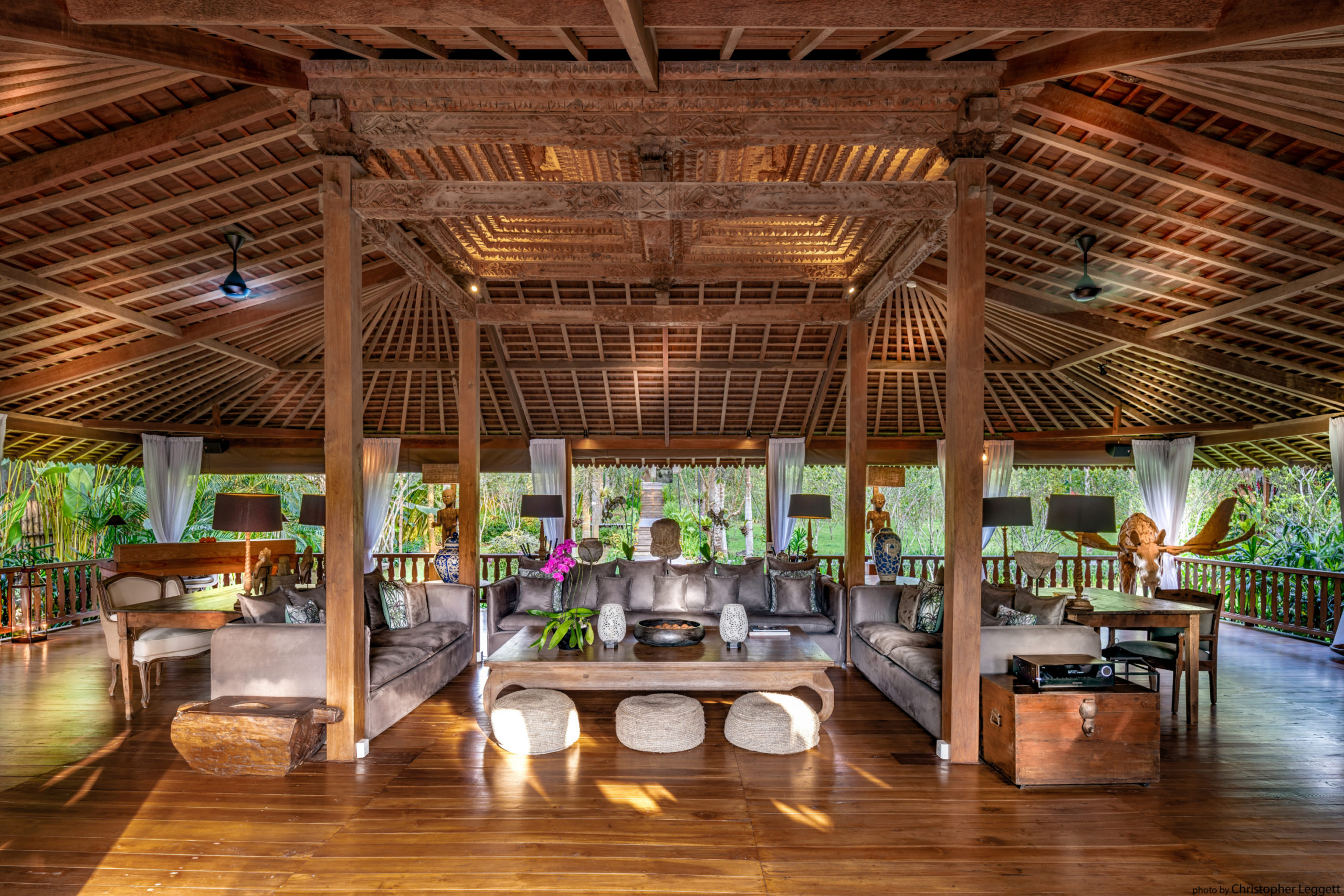
Sam and Isabella Branson’s eight-bedroom estate in Taro village is what happens when a Branson decides to do Bali — meaning, very well. Nag Shampa means “incense of love” in Sanskrit; the property occupies a full hectare of jungle, orchard, and Joglo-style pavilions, with five swimming pools, three in-house chefs cooking from the organic gardens, a yoga shala, and a massage studio.
Postcard from Here: Nadia Fairfax-Wayne Embraces Slow Living At Nag Shampa Private Estate In Bali
Istana Suite at Nag Shampa Private Estate
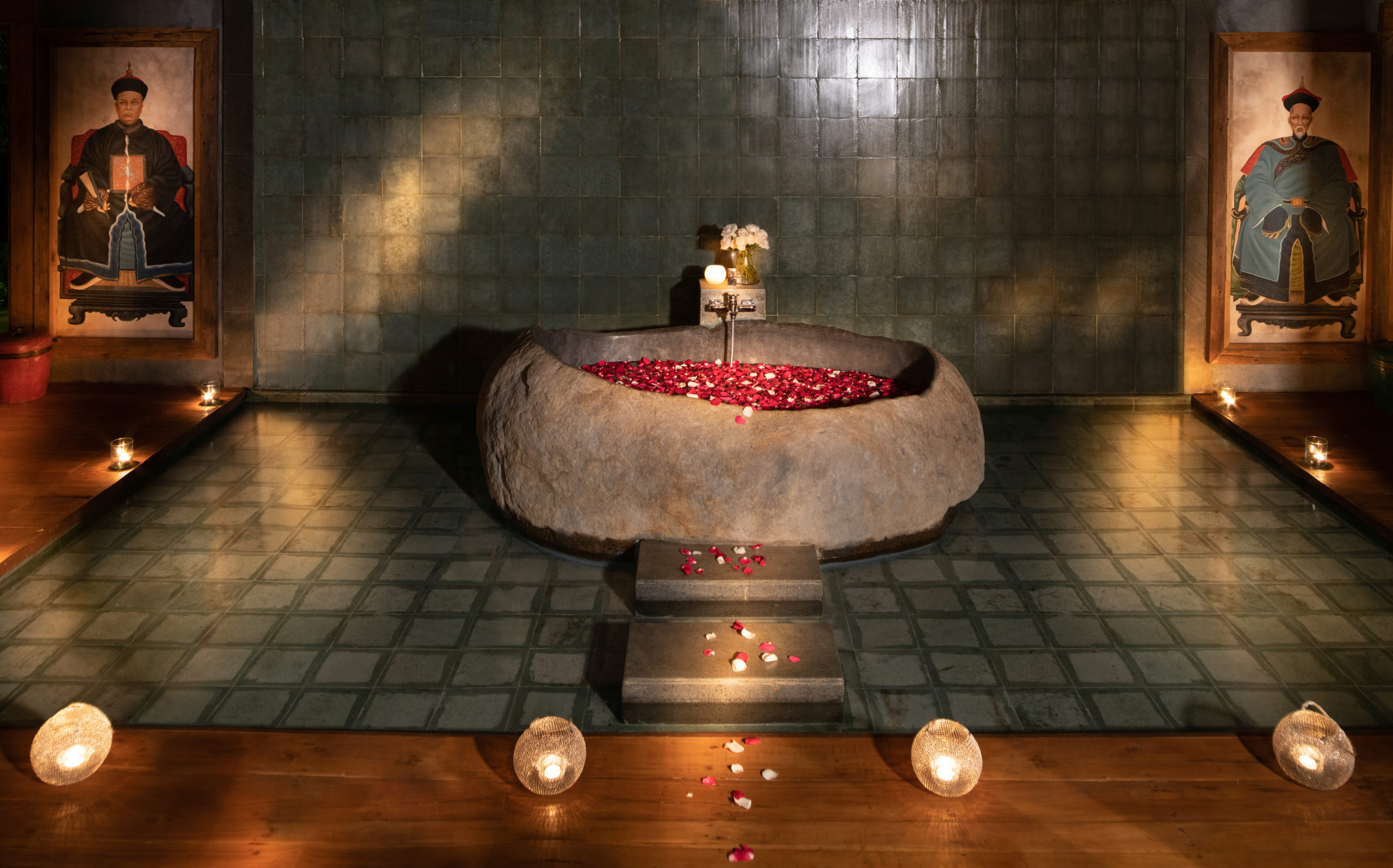
The master pavilion of the Nag Shampa estate is available as a standalone for couples or small groups. Istana means “palace” in Bahasa, and it earns the name — full estate access included, without having to share it with anyone else.
Learn more: Review: Istana Suite, A Romantic Bali Getaway Couples Will Love
Villa Crystal Castle
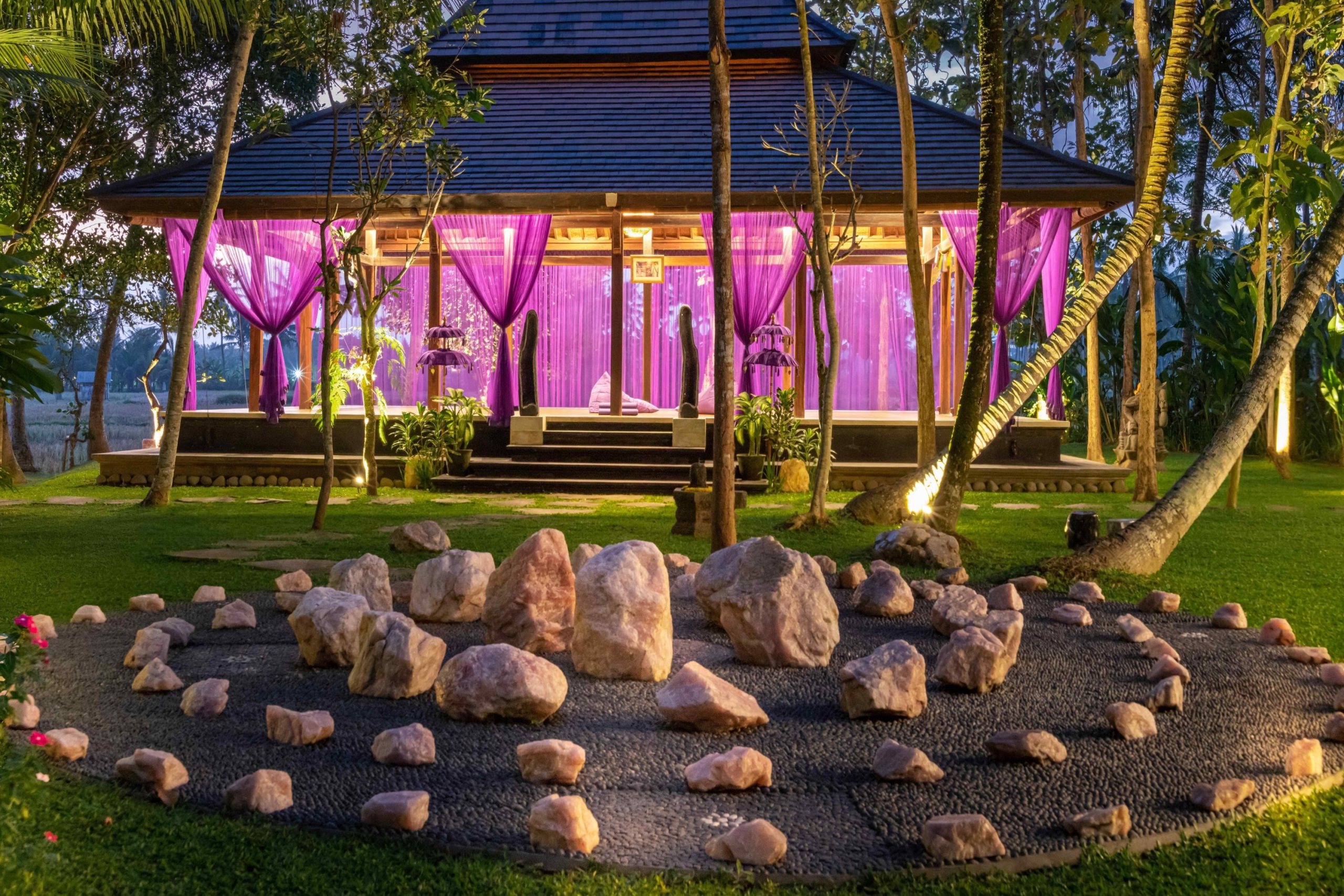
The owners of Australia’s beloved Crystal Castle & Shambhala Gardens (you may know it from Byron Bay) brought their philosophy to Ubud and to a 7-bedroom estate ringed by rice fields, 10 minutes from town.
There’s a 150 sqm yoga shala built from recycled ironwood and reclaimed teak from a 300-year-old Javanese fishing boat, a rose-quartz reflexology spiral, and water that’s filtered through an amethyst crystal chamber before it ever hits your glass.
Read before your next soulful Bali holiday:
The Best Yoga Spots in Bali for a Relaxing ‘NamaStay’
The Best Restaurants in Ubud: Where to Eat, Drink and Be Merry in Bali’s Culinary Mecca
Why Ubud Is the World’s Wellness Capital of Rest, Ritual and Renewal