
After a day on the slopes, nothing beats a Niseko hot spring — as long as you know the rules. Undress fully. Keep quiet. Let the minerals do the rest.
Japan has thousands of onsen and only a handful of rules that actually matter. Get that right, and you’ll enjoy one of life’s simplest pleasures.
The good onsen spots fill up after dinner, when regulars drift in for a quiet soak before bed — though first thing in the morning, or right after a run, works just as well. What follows covers the etiquette, what the onsen does for you, and the places in Niseko that do it best.
Stay ahead: One, Two, Ski: The Official Opening Dates of Niseko and Furano Ski Resorts
What is an onsen?
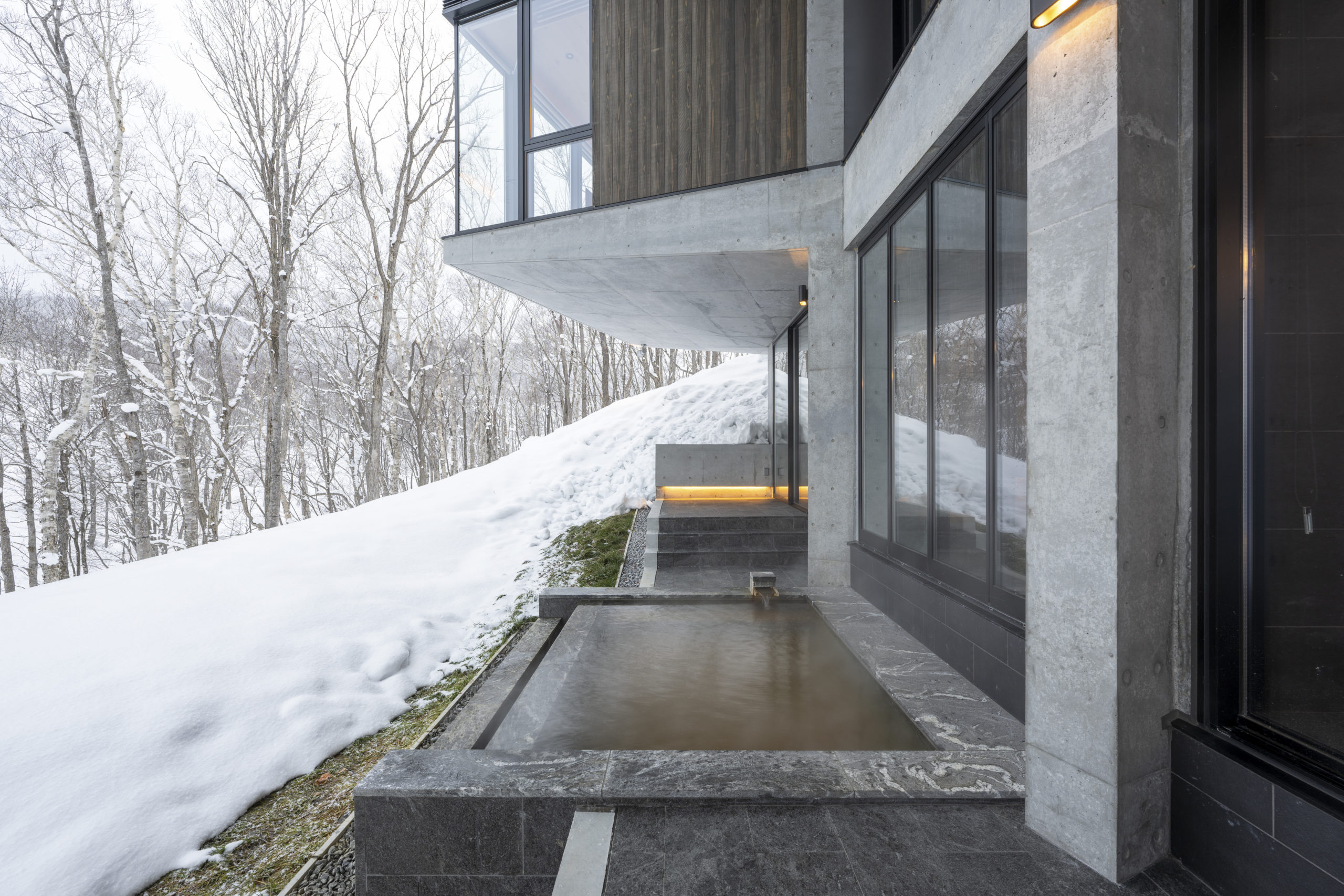
‘Onsen’ is the Japanese word for hot spring — and the word itself is regulated in the country, requiring the water to hit a minimum temperature and carry a set concentration of natural minerals.
Often, the good ones tend to sit at the edge of a mountain, a rice field, or in Niseko’s case, a snowdrift. That view is half the reason anyone seeks one out.
What is the onsen dress code?
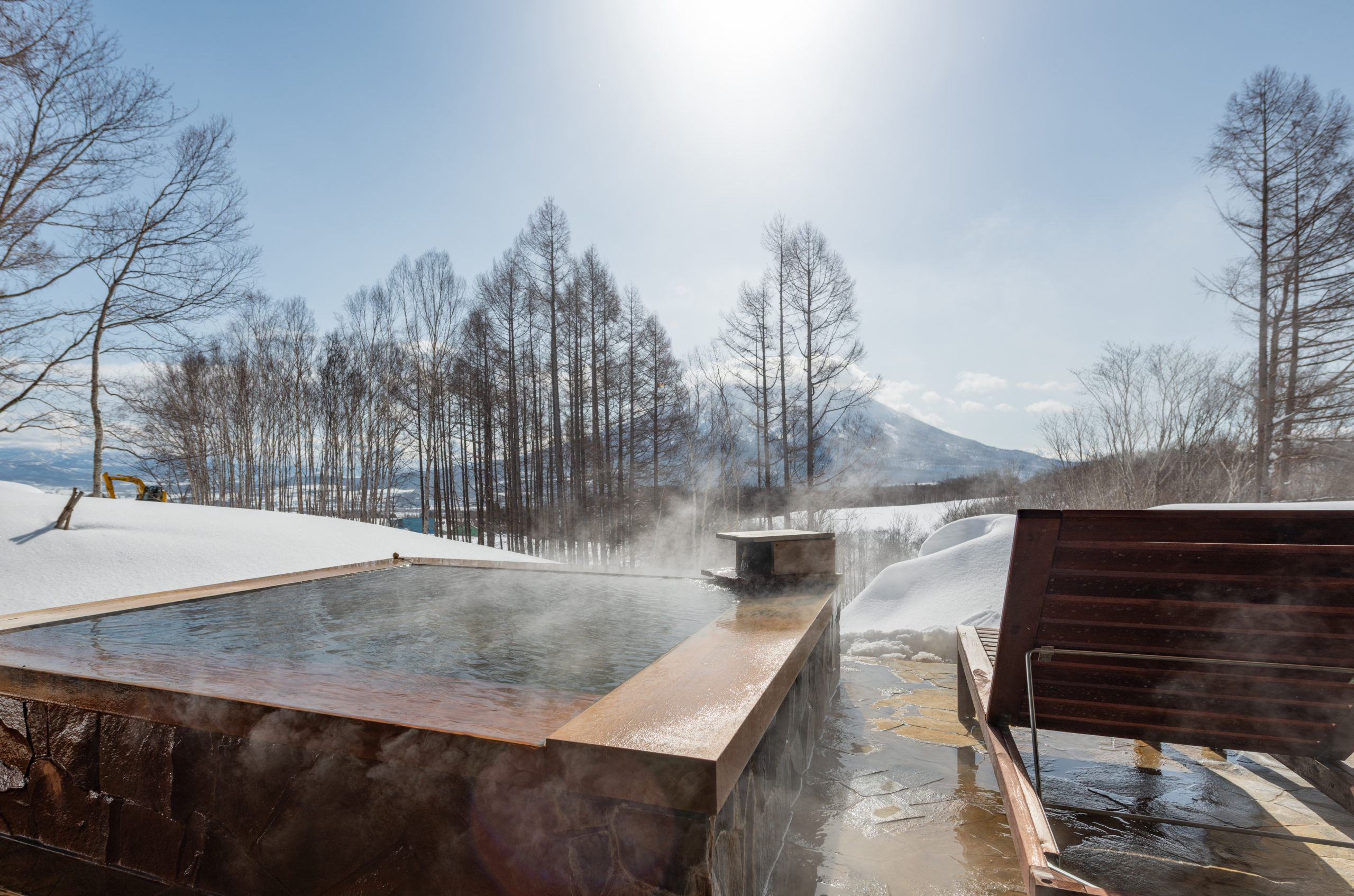
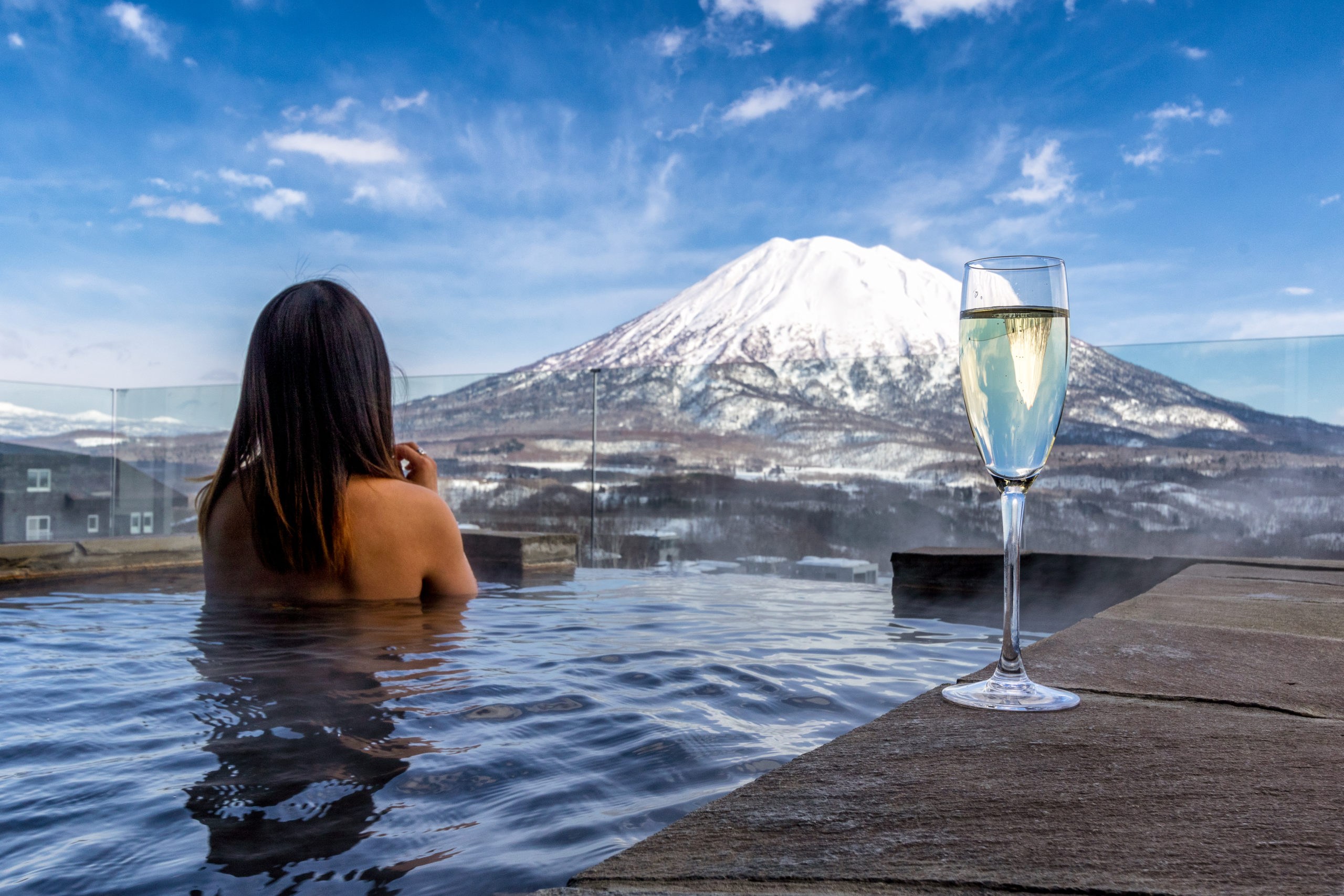
The dress code? Your birthday suit. Guests bathe without swimwear, and the only exception is a handful of mixed-bathing pools built with tourists in mind. If you’ve never bathed naked with strangers, take comfort in the fact that it stops feeling strange after about 10 minutes. By then no one is paying you any attention, least of all the person who walked in after you.
Opening doors soon: Zuma Niseko Is Coming: Everything to Know About Its First Japan Pop-Up
What are the basic rules of onsen etiquette?
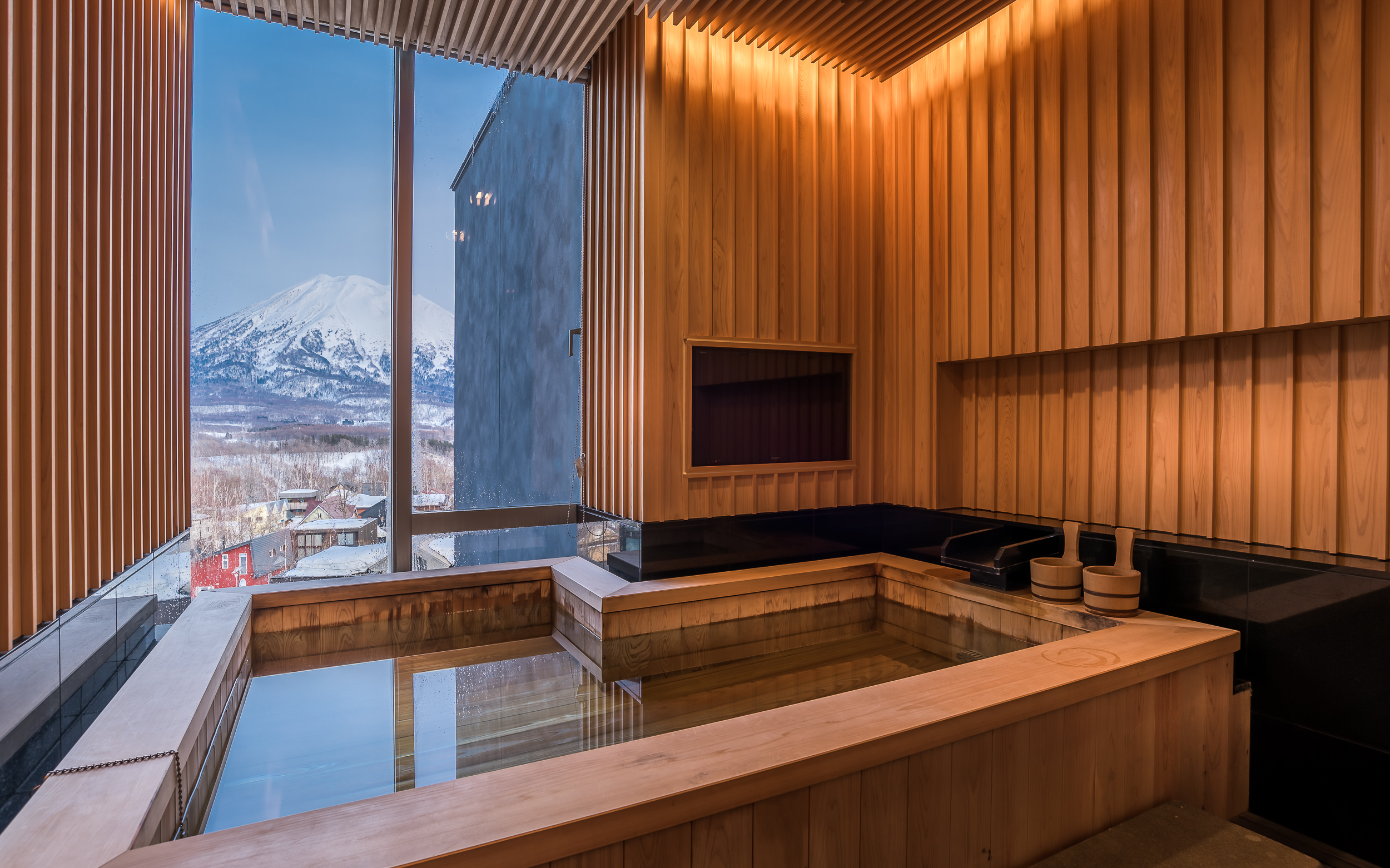
First things first: Wash properly at the shower stations before you get in. The bath itself is for soaking, not cleaning up and locals will clock the difference if you skip that step. To keep things hygienic, tie long hair up so it stays out of the water.
It goes without saying that phones and cameras stay in the locker room. Keep your voice down as well. Beyond that, follow what everyone else is doing: house rules shift slightly from onsen to onsen, and the regulars always know them.
Also read: Soak and Breathe: The Best Niseko Onsens Worth the Visit
Are tattoos allowed in onsens?
Sometimes, not always, and it’s worth checking before you book. Tattoos have historically been linked to organised crime in Japan, so plenty of the older, more traditional onsens still ask guests to cover up or turn them away outright.
Hotel and resort onsens tend to be more relaxed about it, especially the ones used to international guests. A small tattoo can often be covered with a waterproof patch, and if you are unsure, ask at the front desk before you get changed. It saves an awkward walk back to reception.
What is a mixed onsen?
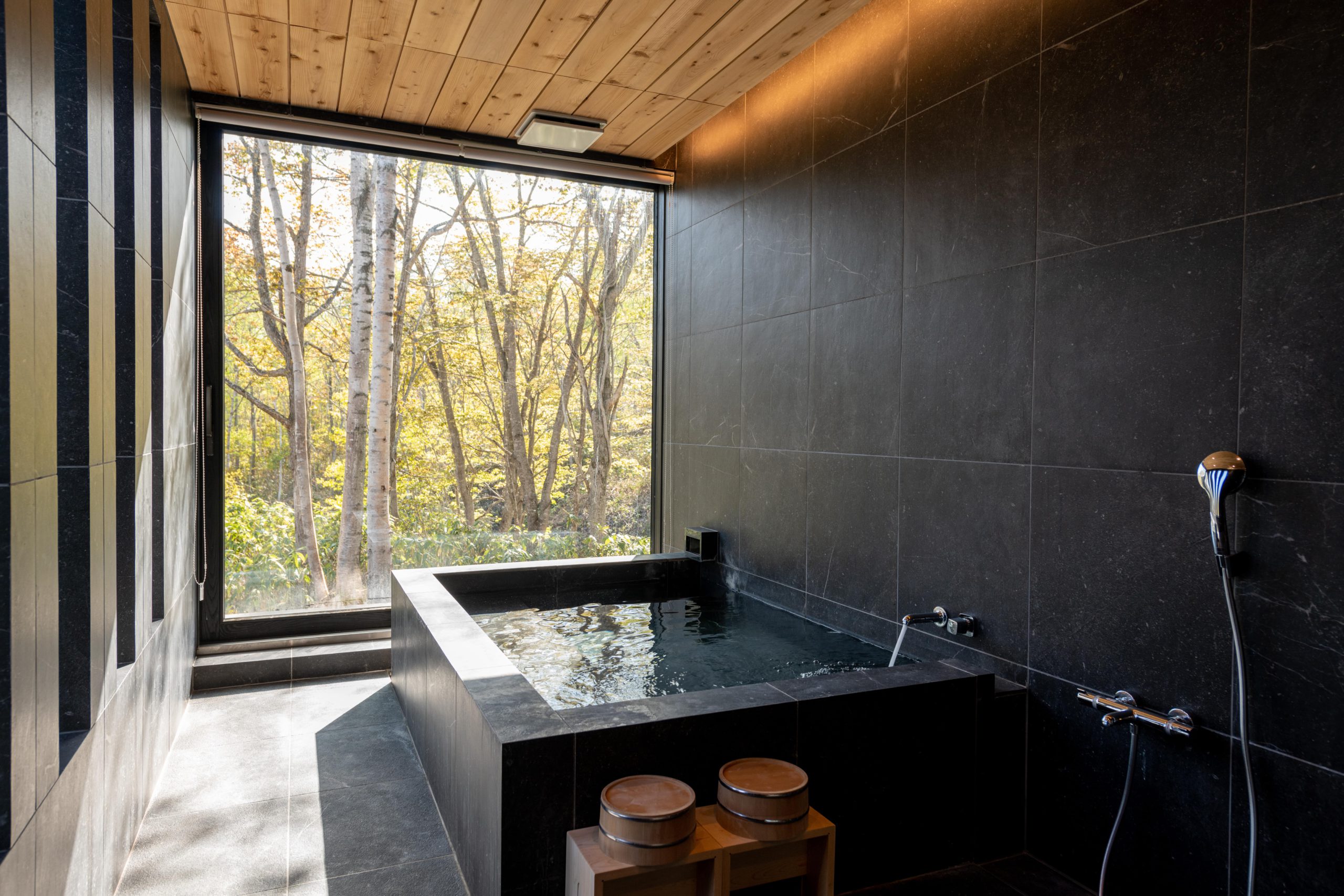
A small number of onsens, usually the older, rural ones, still run konyoku: mixed-gender bathing in the same pool. It is an old tradition, not something devised for visitors, and it predates the more segregated bathing culture Japan has now.
Most Niseko properties keep bathing separated by gender, though a few offer mixed hours or private onsens booked by the room. If togetherness matters more than history, book a private one or check into a chalet with its own onsen.
Early birds catch the powder. Where to Ski in Hokkaido in December: Where to Find the Season’s First Powder
What are the benefits of onsens?
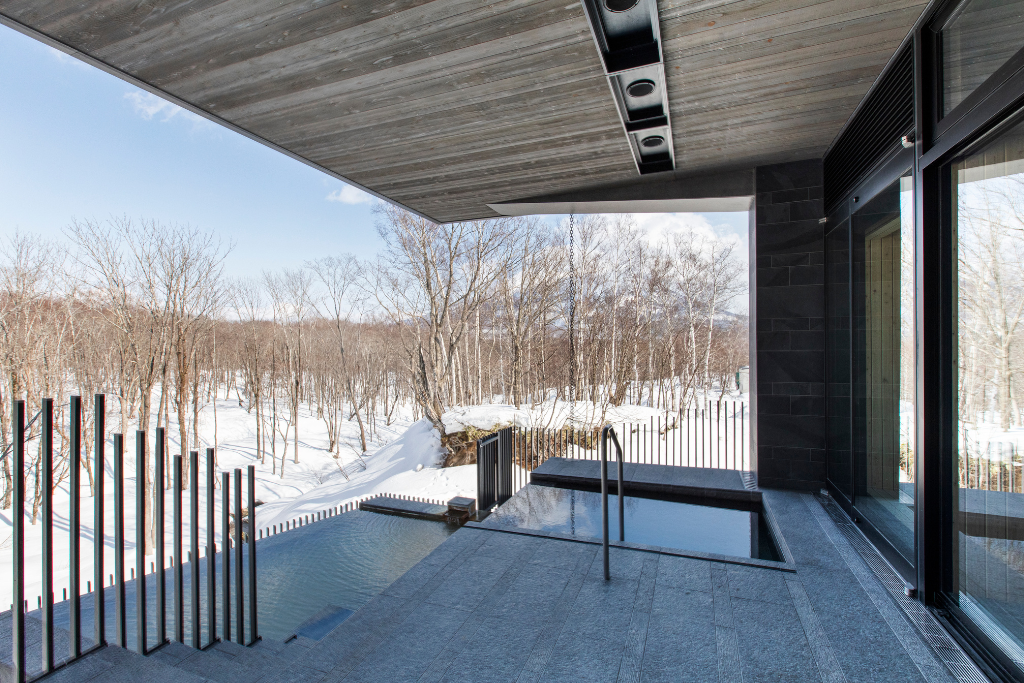
The minerals in the water — sodium, sulphur, calcium, depending on the spring — get absorbed through the skin, and they’re widely credited with easing circulation, softening skin and loosening muscles too.
None of that replaces medical advice, but it explains why the Japanese have kept doing this for a thousand years and has been a tradition ever since. A good soak after skiing does for the body roughly what a good dinner does for the mood.
How often should you go?
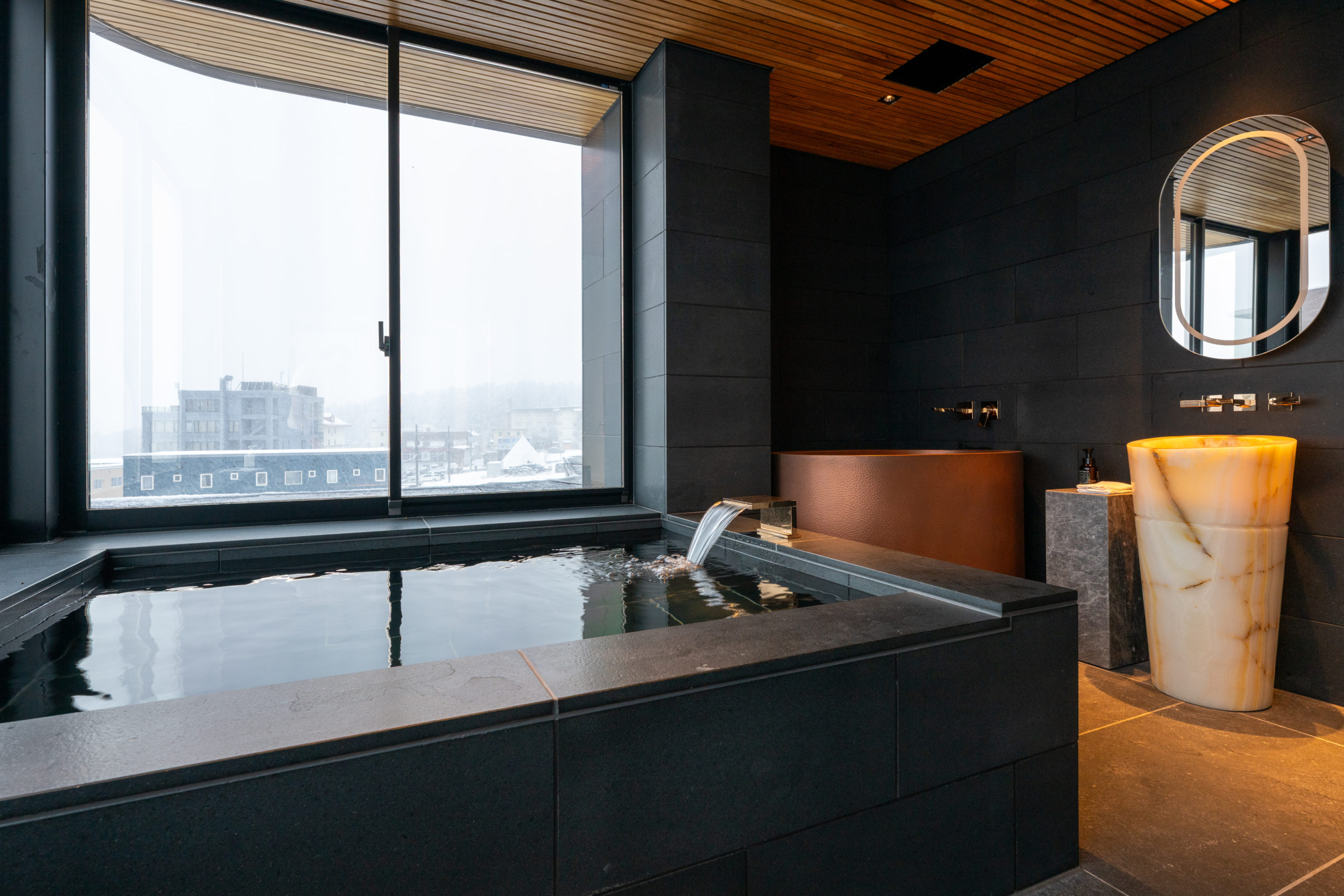
For locals who grew up with a hot spring nearby, they probably live the motto: an onsen a day keeps the doctor away. For visitors, two or three times a week is a sensible pace, especially if your skin is sensitive, or your heat tolerance is on the lower side.
And when you’re soaking, trust your own body. Some people are done in 10 minutes flat; others could stay in for an hour and still not want to leave.
The perfect ski base is here: Aparthotel Review: Inside Haven Niseko, the Hirafu Ski Base with a View of Everything You’re About to Ski
Where should you stay for the best onsen access in Niseko?
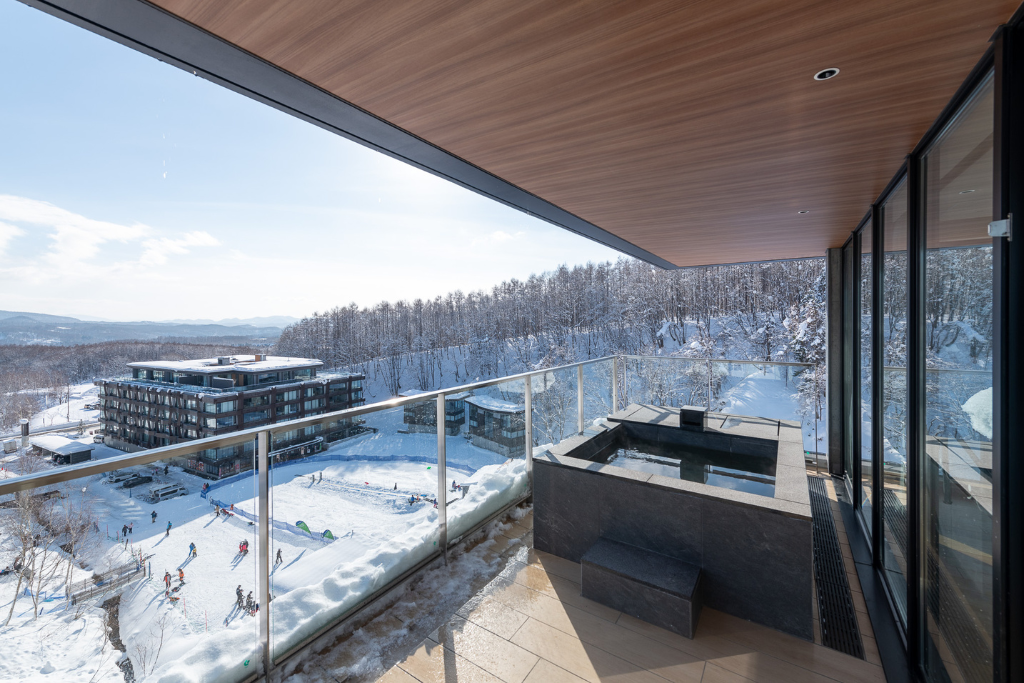
The Luxe Nomad has a strong selection of properties with their own onsen. At Niseko Kyo, nearly every unit comes with its own private indoor onsen — no queue, no waiting your turn, no awkwardness at all. A stone’s throw away, The Vale Niseko keeps its onsen inside a proper five-star hotel, a short walk from the slopes and the better restaurants in Hirafu.
Tsubasa at Hanaridge takes it further, with both an indoor and outdoor onsen built into a 10-guest chalet designed by Riccardo Tossani — a luxury worth splurging on.
Ready for that apres-ski soak? Here’s what you should read next:
Niseko Snow Forecast 2026/27: What to Expect This Japow Season
No Skis Required: The Cool Girls Guide to Winter in Niseko
Postcard from Here: Lilly Sayaka Miyakawa, The Japanese Content Creator Who Lives Life to the Fullest