
Choosing between Niseko or Rusutsu? Here’s how Hokkaido’s two powder heavyweights compare — from the runs to the après and the chalets and condotels worth booking.
On a clear morning, take the gondola to the top of either resort and the same mountain steals the view. Mount Yotei, which the locals call ‘Ezo Fuji,’ stands between Niseko and Rusutsu, with Niseko facing it from the west and Rusutsu from the south-east.
The two resorts are about 45 minutes apart by car and get the same light, fluffy snow better known as Japow. What sets them apart is everything around the skiing. Niseko is four resorts on one mountain, with a village full of restaurants and bars that stay busy long after the lifts close. And that popularity shows in the snaking lift queues during peak season.
On the other hand, Rusutsu is one resort spread over three linked mountains. Its restaurants and onsens are all within the resort, so everything is pretty much in the same area. With powder this good on both sides of Mount Yotei, the choice really comes down to how you’d like to spend your time off the slopes. Here’s how they compare.
Book here: Aparthotel Review: Kozue Niseko, a Modern Stay in Middle Hirafu Surrounded by Nature
Getting There and Around: Niseko vs Rusutsu
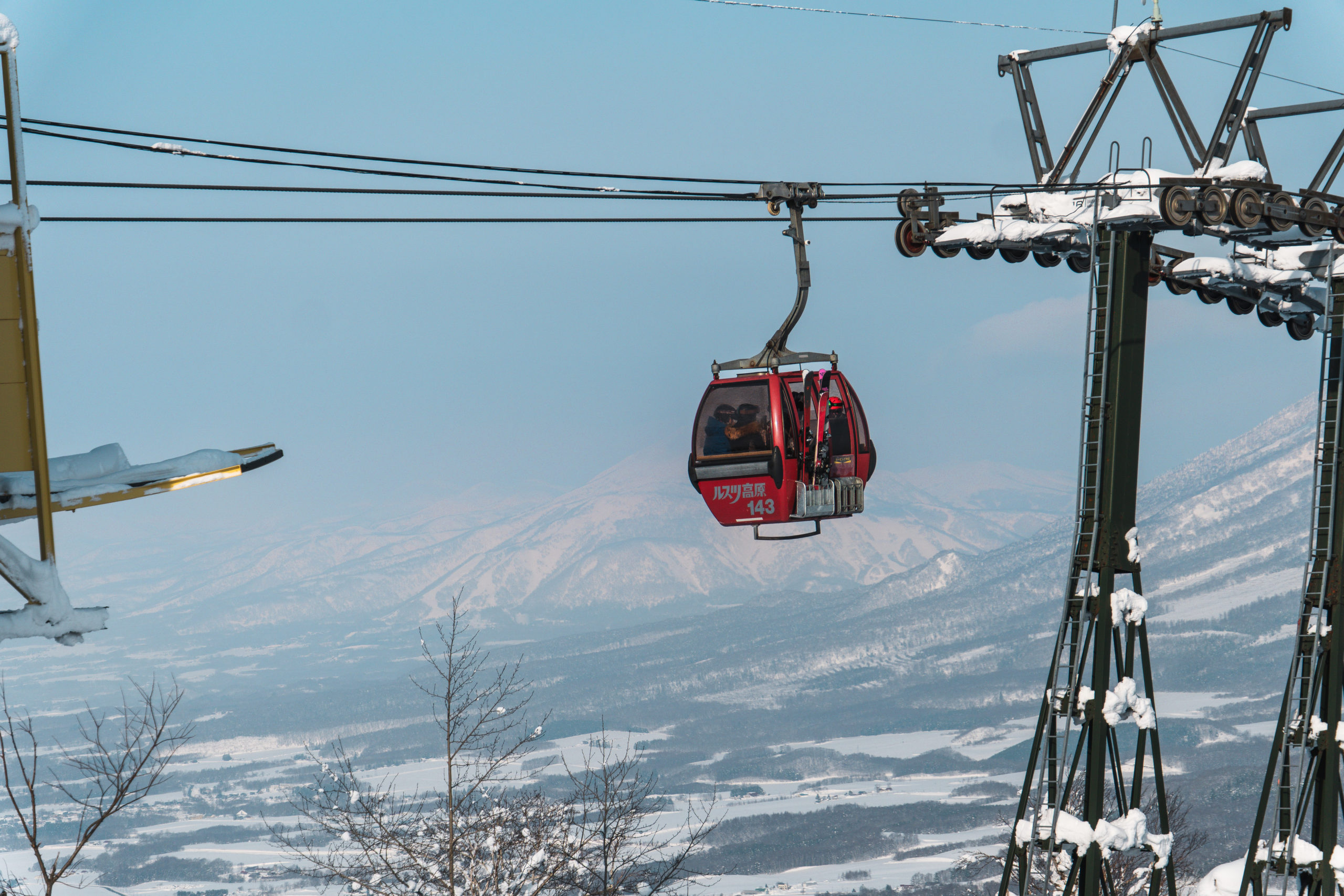
Whichever resort you choose, your trip begins at New Chitose Airport in Sapporo. From there, Niseko is around two and a half hours away by road, while Rusutsu is closer, at about an hour and a half.
Resort buses run from the airport to both Niseko and Rusutsu, but a private transfer is far easier with skis, luggage and children in tow. If you can, choose a flight that lands earlier in the day. Darkness falls early in a Hokkaido winter, and the mountain roads are easier going in daylight.
Once you’ve arrived, Niseko takes a little more planning, as its villages are spread around the mountain. Shuttle buses connect them, but a car and driver makes venturing off the main strip far simpler, especially for anyone who’d rather not wait at a bus stop in ski boots. Getting around Rusutsu is simple by comparison. Most of what you’ll need is within the resort, and a regular shuttle bus runs between the West Mountain and East Mountain bases.
Wanderluxe Tip: Ask the Luxe Concierge to pre-book your airport transfer, and your driver will be waiting at arrivals when you land.
Getting to Hokkaido: Powder Days, Incoming: Air Canada Launches Direct Flights from Vancouver to Sapporo
The Mountains: Niseko vs Rusutsu
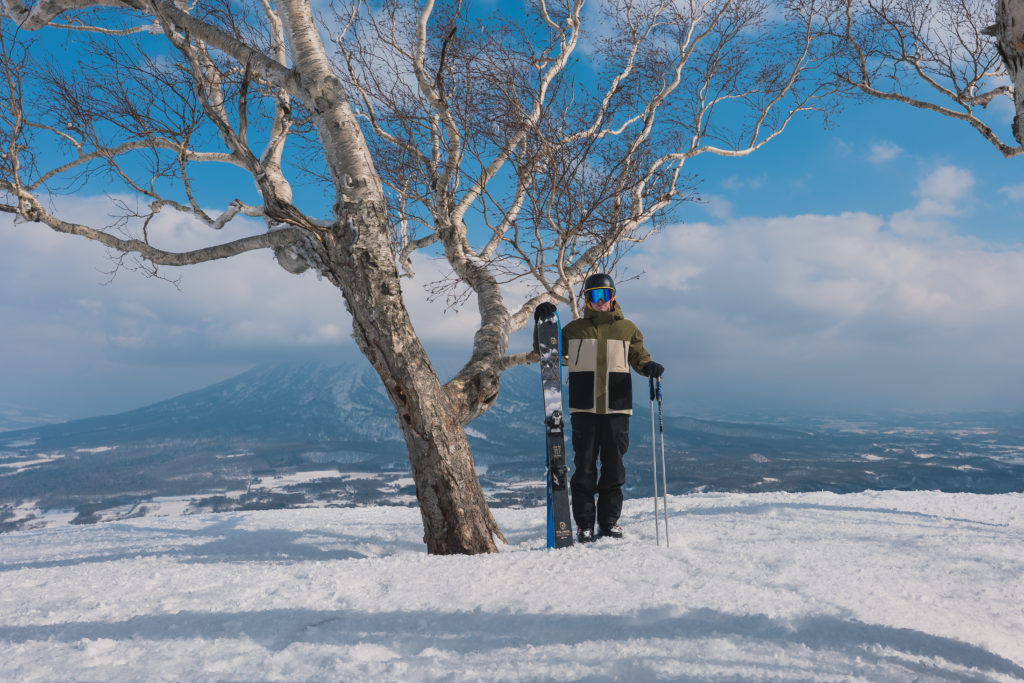
Niseko United covers one mountain, Niseko Annupuri, shared by four resorts: Grand Hirafu, Hanazono, Niseko Village and Annupuri. A single All Mountain Pass gets you onto all of them, and on a good day you can ski from one resort to the next, stopping for a bowl of ramen somewhere along the way.
Often called the Aspen of Asia, Niseko made its name with overseas skiers in the early 2000s, and its backcountry gates are a big part of the reason. Ski patrol opens them when conditions are safe, putting deep backcountry powder just a short hike away. That fame comes at a cost, though: on a powder morning, the easy-to-reach lines are usually tracked out by lunch.
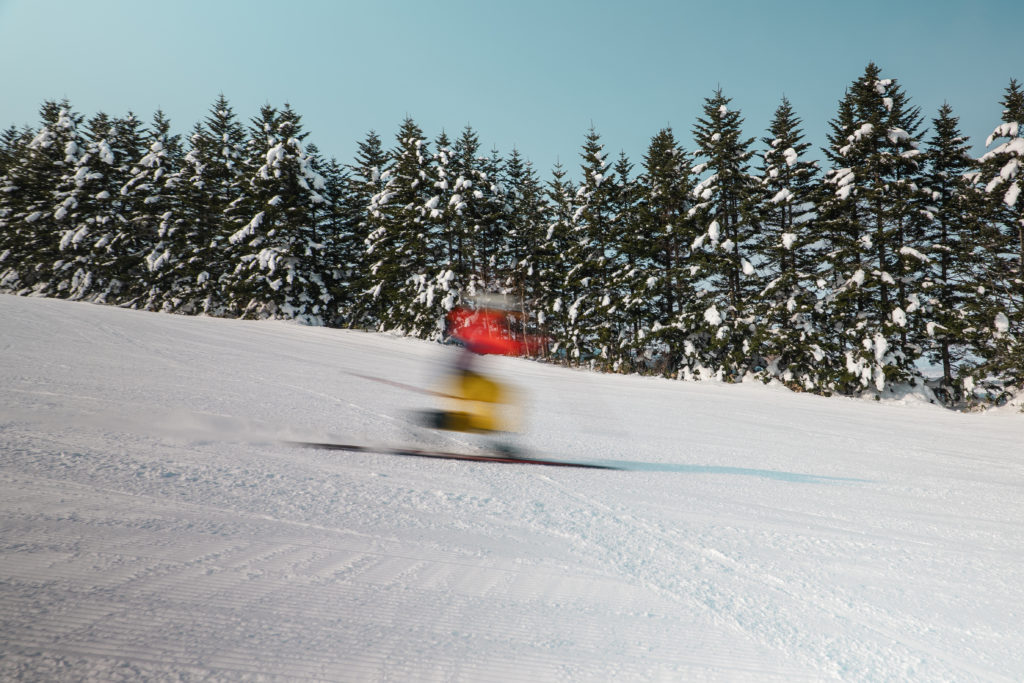
Rusutsu spreads across three peaks, but ask a regular where to ski and the answer is almost always Mount Isola. The gentler West and East Mountains are where beginners and intermediates find their feet on gentle, well-groomed pistes, while seasoned skiers tend to spend the whole day on Mount Isola, lapping its runs until the lifts close.
What keeps them there are the trees with the birch glades spaced just wide enough to weave through and with fewer skiers to share them. You can return to the same slopes all morning and still find room for fresh tracks. Little wonder, then, that the World Ski Awards keep coming back to Rusutsu: it was named Japan’s Best Ski Resort in 2025, its sixth win in the category.
Your lift pass might settle the debate for you. Niseko United is on the Ikon Pass while Rusutsu is on the Epic Pass — rival season passes that each get you into dozens of resorts worldwide. If you already own one, the choice is made. If not, day tickets are easy to pick up at either resort and booking Rusutsu’s in advance on the resort’s website gets you a better price.
Powder fun: A Complete Hokkaido Skiing Guide and Backcountry Guide
When to Go: Niseko vs Rusutsu
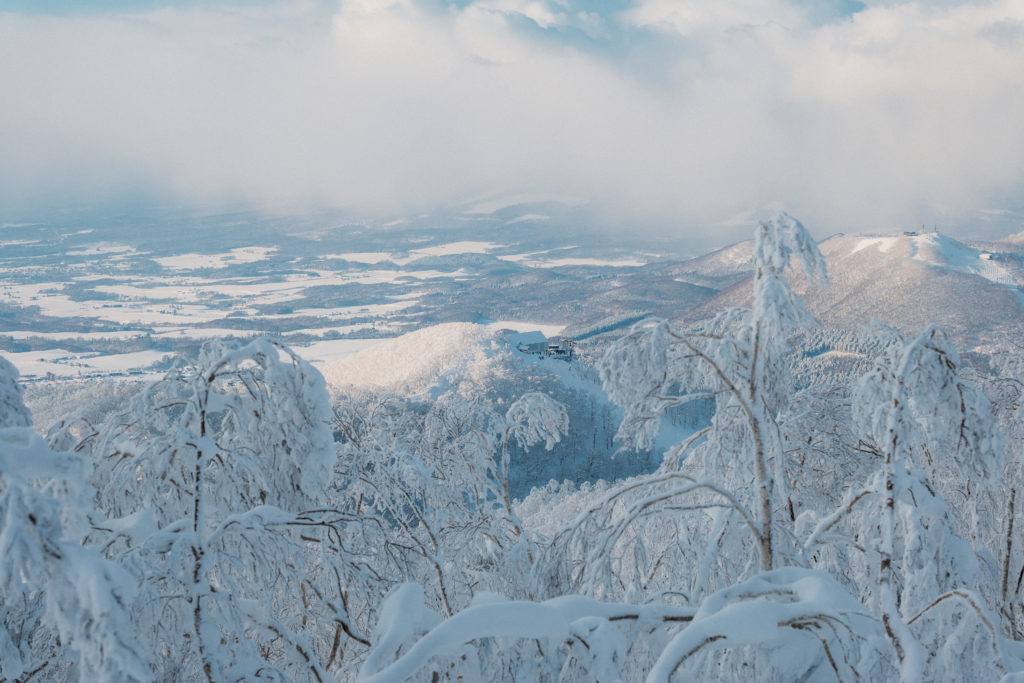
Ski season kicks off in Niseko and Rusutsu open in late November, and the snow usually finds its stride by mid-December. January and February bring Hokkaido’s most dependable powder, and the trick is to time your trip around the holiday rushes. Early December is always a good one, and mid-January, once the New Year crowds have flown home and before the Lunar New Year travellers come, means shorter lift lines and far easier dinner bookings.
Spring is when Niseko really pulls ahead. Grand Hirafu keeps its lifts running into early May, and spring skiing in Niseko means bluebird days, softer snow and slopes that feel almost private. Rusutsu generally closes around the end of March, but both resorts come back to life once the snow melts, with its golf courses and hiking trails perfect for experiencing a Hokkaido summer.
Autumn in Hokkaido: Japan’s Silver Week: Why You Should Visit Hokkaido in September
Après and Dinner: Niseko vs Rusutsu
In Niseko, evenings centre on Hirafu, where fine dining, wine bars and ramen counters line the streets below the gondola. Take note: it’s worth booking a few restaurants before you arrive.
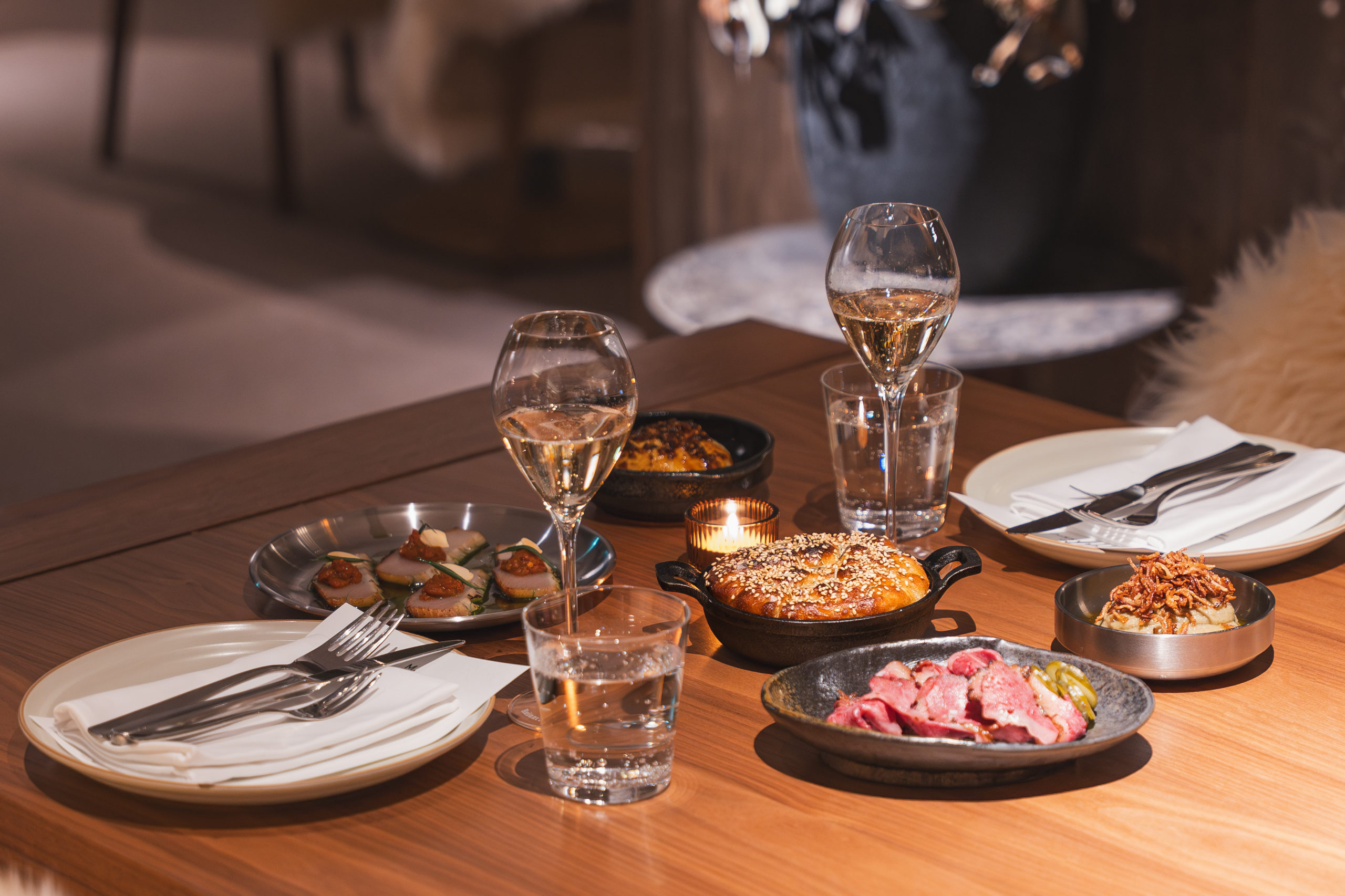
Few restaurants in Niseko let you ski straight to the table, and that’s a big part of the appeal at MASONRY. Japan. Australian chef Ben Cross built a loyal following with the original in Canggu. His Niseko Kyo outpost, now into its second winter season, sticks to the same formula: Mediterranean-leaning plates cooked over wood fire.
Over near Annupuri, Rakuichi Soba has just a dozen seats at its counter, where soba master Tatsuru Rai kneads and hand-cuts pure buckwheat noodles in front of you. Go for the evening kaiseki, which offers seasonal Hokkaido seafood into the courses before the soba arrives as the finale.
After dinner, wander down to Bar Gyu+ in Lower Hirafu, where the way in is through the door of a vintage Coca-Cola fridge, half-buried in snow. Inside, order the signature Apple Pie cocktail or browse the whiskey shelf featuring rare bottles. The drinks and relaxed vibe have ended the bar on Bloomberg’s list of great après-ski bars.
Hungry for more? Niseko Dining Guide 2026: The Best Restaurants, Bars and Cafes to Try This Winter
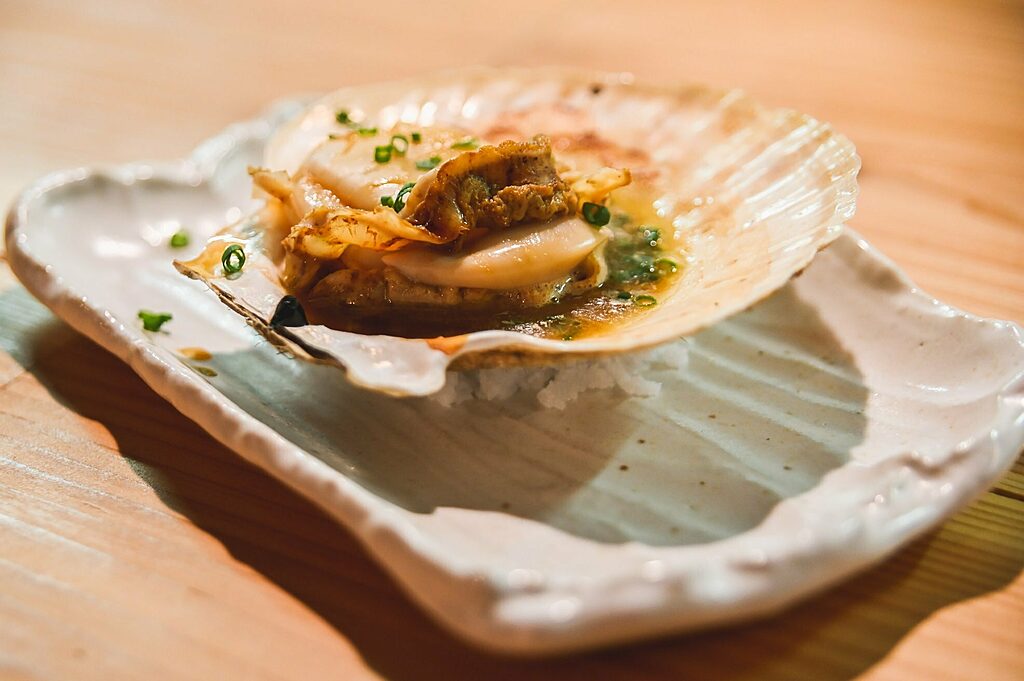
Rusutsu’s après-ski has a more local feel. Step a few minutes out of the resort into Izumikawa and you’ll find restaurants run by people who live here year-round. Near the Seicomart, Rusutsu Sakaba is made for families and friends. Order the bubbling seafood hotpot with squid straight off the coals and oysters fresh enough to warrant a second helping. Work through a drinks list that runs from local brews to a surprisingly serious line-up of Belgian beers.
For a proper izakaya night, Uo-teru sits right outside the resort with friendly owners who keep locals and visitors coming back. The menu is built around Hokkaido’s catch, but the standout is the pork shabu-shabu, with wagyu sukiyaki for anyone celebrating a powder day.
Then there’s Rodeo Drive, which has been feeding hungry skiers for more than 20 years. Owner-chef Tomoki Maeda still cooks every plate himself. The reason to book is his smokehouse: the oysters spend close to eight hours over the smoke, and they pair beautifully with a pour from the whisky shelf or a pint of draught Guinness.
Eat like a local: There’s No Place Like HOKKAIDian Homestead: Inside Hokkaido’s Most Intimate Gourmet Experience
Off the Slopes: Niseko vs Rusutsu
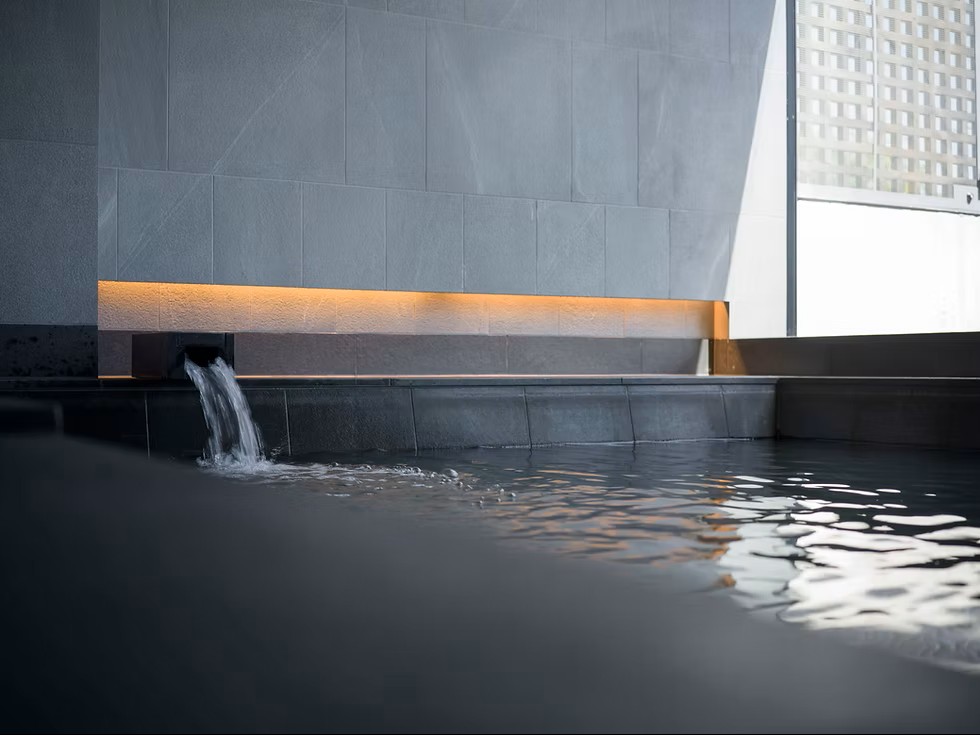
Niseko’s off-slope scene spills across the whole valley, and half the fun is in the wandering. Scattered between the ski fields and Mount Yotei are onsen worth the drive from Goshiki, where five different springs compete for your attention, to Yukoro, a design-led bath within walking distance of Hirafu whose round outdoor pool faces Mount Yotei head-on.
Save room for Milk Kobo, the Takahashi family’s dairy produce near Niseko Village, where the soft-serve recipe hasn’t changed since 1996 and the cream puffs are filled with milk from the farm next door. Most of this calls for a car, which is no hardship when the roads run past snow-covered farmland the whole way.
Wanderluxe Tip: Ask the Luxe Concierge to arrange a private driver for the day. Onsen-hopping around the valley is far more relaxing when nobody has to study the bus timetable.
Rusutsu, meanwhile, keeps its fun under one roof, which is a blessing on days when tired legs (or little ones) need a break. Inside the resort, there’s a wave pool with water slides, a climbing wall and a two-storey indoor carousel built by the same maker as the one at Michael Jackson’s Neverland Ranch — a detail that tends to thrill the grown-ups as much as the children.
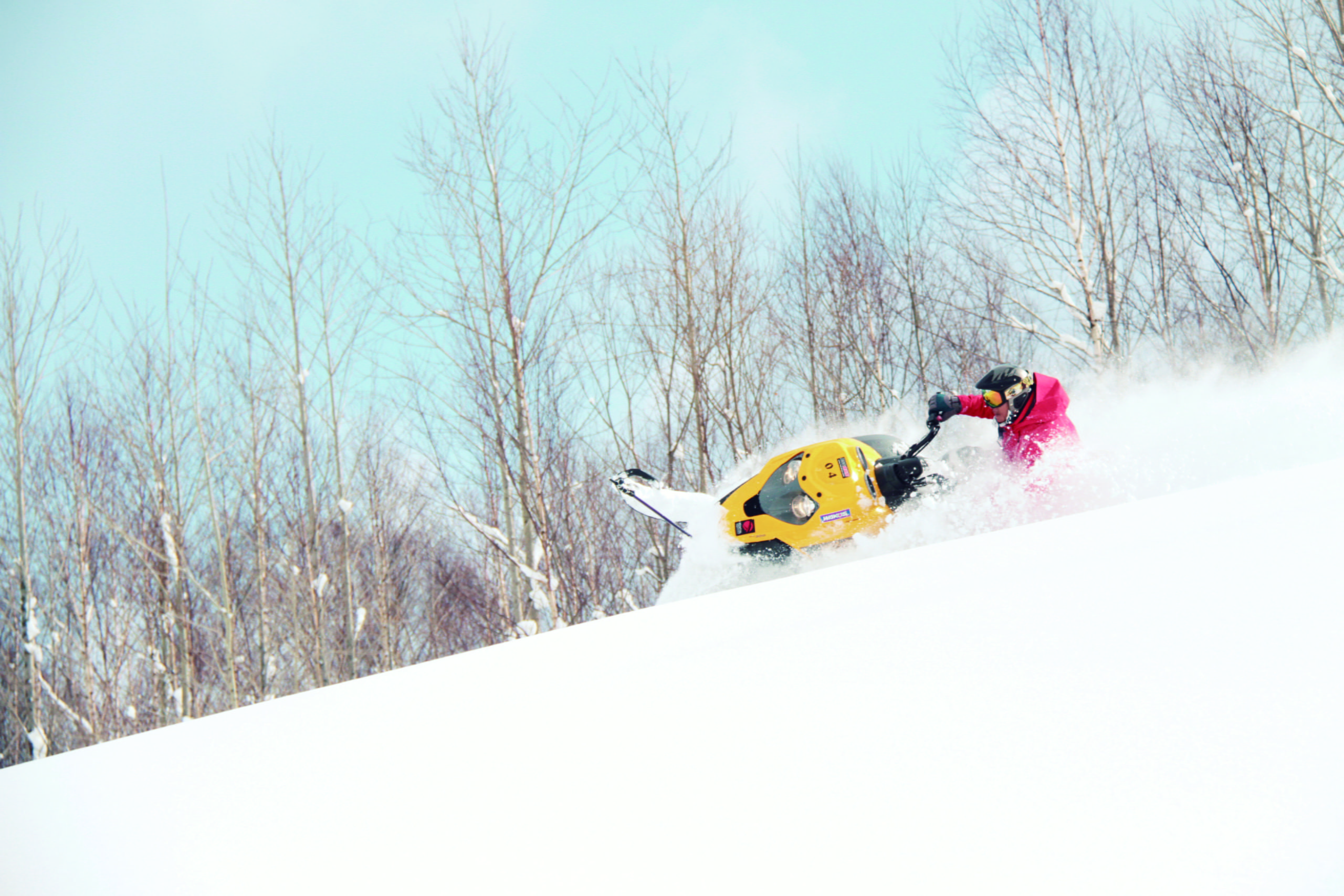
Step outside and you can swap skis for a snow raft or snowmobile, then end the day at the Kotobuki Onsen, whose 20-metre outdoor bath comes with sweeping mountain views. Plan another visit once the snow melts and those same grounds turn into a full-blown amusement park.
Travelling with kids? Summer in Rusutsu: A Hokkaido Guide for the Off-Season Crowd
Where to Stay in Niseko and Rusutsu
Wherever you base yourself, a good home makes all the difference after a long day on the mountain. In Niseko, that means a design-led chalet with room for the whole group. In Rusutsu, it means skiing straight to your door.
Niseko
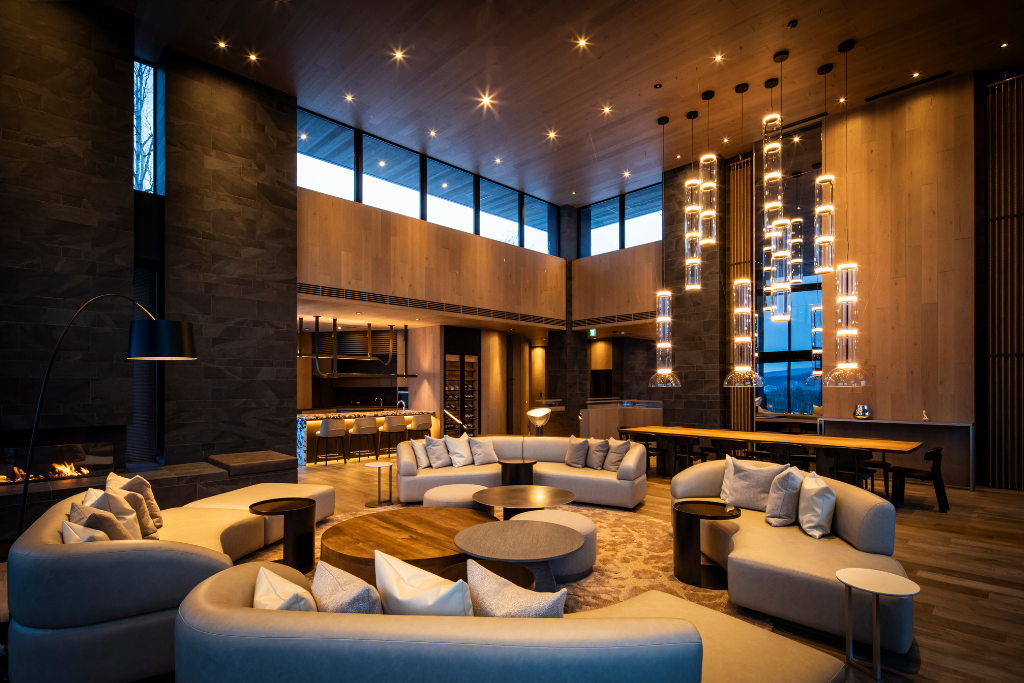
Corniche Hirafu sits on Hirafu’s so-called Millionaires’ Row, among the silver birches of Middle Hirafu. Designed by architect Riccardo Tossani, the 580sqm chalet has six-metre ceilings and floor-to-ceiling windows that look out to Mount Yotei with the village restaurants close enough to walk to.
Each of its four bedrooms has its own bathroom, and the wellness facilities make a strong case for a rest day: a private onsen fed by the chalet’s own hot-spring well, a sauna, a cold plunge and rooftop terraces. A winter butler takes care of everything else. It’s also shortlisted for Japan’s Best Ski Chalet at the World Ski Awards 2026.

On the Hanazono side of the mountain, Tsubasa Chalet at Hanaridge was named Japan’s Best Ski Chalet at the World Ski Awards 2024. Also designed by Riccardo Tossani, it spans 530sqm and has a 40sqm indoor-outdoor onsen filled with natural hot-spring water.
If your legs need a day off the slopes, there’s a private gym for a light workout and a grand piano to gather round come evening. Winter stays come with a butler and two cars with drivers, so the five-minute drive to the slopes and restaurants is one less thing to think about.
Relax and reset: Onsen, Pools and Saunas: 6 Of The Best Wellness Properties In Niseko
Rusutsu
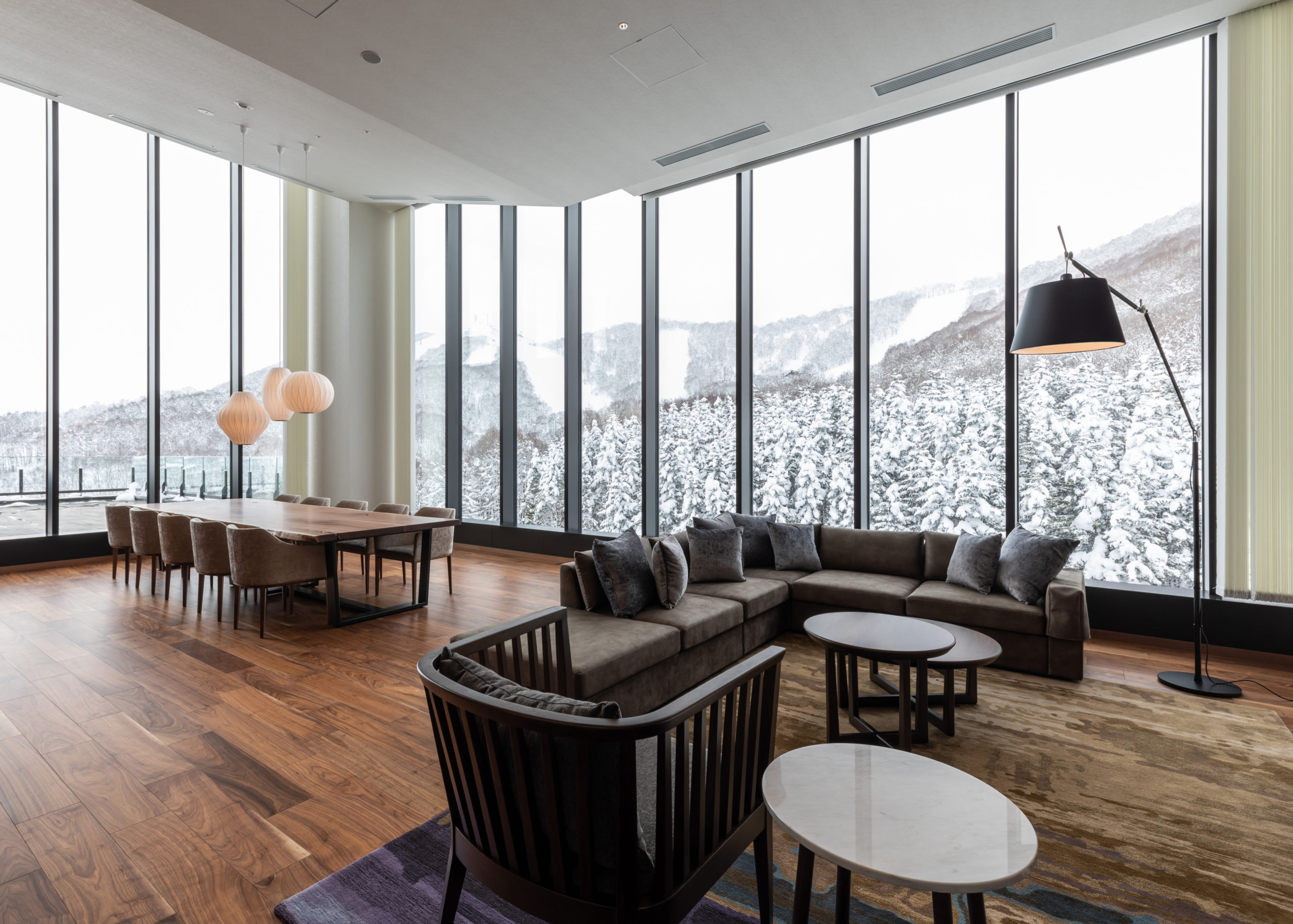
The Vale Rusutsu sits at the foot of West Mountain, so you can ski out of the building in the morning and straight back in at the end of the day. An indoor walkway connects it to the resort’s restaurants and shops, which means you may not need your coat between dinner and bed.
Its one- to four-bedroom residences have kitchens and laundry facilities, which families with young children tend to appreciate more than any view. There’s a café, a spa and a physiotherapy clinic on site, and the Kotobuki Onsen is a short walk away. The Vale Rusutsu was named World’s Best New Ski Hotel in 2021 and Japan’s Best Ski Hotel in 2024; it has been shortlisted again for 2026.
For bigger groups, the property’s four-bedroom penthouse sits on the top floor with panoramic views over the resort. The penthouse sleeps up to 10 and has a private terrace with an outdoor whirlpool, which is a good spot to compare notes on the day’s runs.
Pick your homebase: Villas vs Hotels: The Great Holiday Stay Debate
The Verdict
Choose Niseko if you want the full ski-town experience, with four resorts on one pass and a different restaurant to try every night. It’s a natural fit for a first trip to Japan, especially with a mixed group where not everyone is chasing after the slopes.
Choose Rusutsu if you’d rather spend your days skiing in between birch trees and your evenings winding down early. It’s an easy win for families too, with a shorter transfer from the airport with the ski school, wave pool and onsen all within reach.
There’s no rule that says you have to choose. Wherever you wake up, Mount Yotei will be there to greet you on the first chairlift of the morning and keep you company through the last soak of the night. The only difference is which side of the volcano you’re admiring: its western face from Niseko, or its south-eastern flank from Rusutsu.
Still torn? They’re only 45 minutes away. Plan the rest of your Hokkaido winter here:
Onsen Etiquette in Japan: The Rules and Benefits, Plus the Niseko Hot Springs to Know
A Photographer’s Guide to Capturing Niseko’s Best Photo Spots
It’s Matsuri Time: Summer and Autumn Festivals in Hokkaido