
From the New Zealand Tour to the fairways of Rusutsu, pro golfer Joshua Carmichael shares his journey on coaching, caddying, and building a life in Hokkaido.
Joshua Carmichael spent years competing on the Japan Golf Tour before Hokkaido became the place he calls home. He later caddied across Japan for two years for a close friend, and somewhere in those years, met his wife. Today, he’s based in Sapporo, coaching golfers of all stripes across the island.
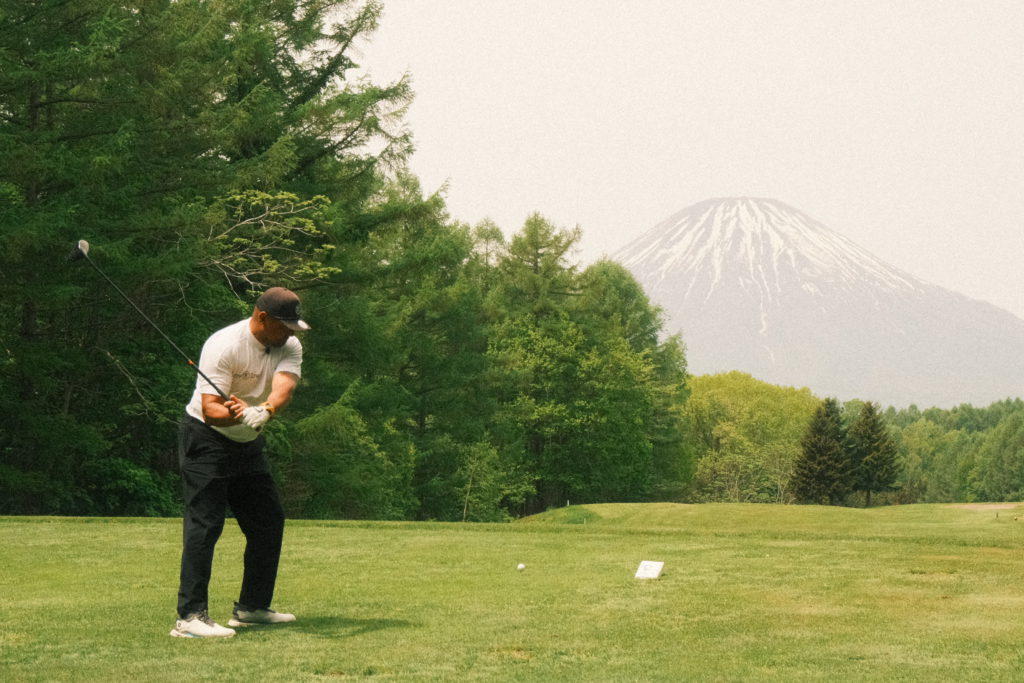
This summer, we joined him for a round at Riverwood in Rusutsu, to ask him everything from what makes golfing in Hokkaido so distinct, to what competition taught him about coaching, and the post-round ritual he’d never skip.
Summer in Rusutsu: A Hokkaido Guide for the Off-Season Crowd
Tell us, how did a professional golfer from New Zealand end up in Hokkaido?
I came to Japan a number of times while playing as a New Zealand touring professional on the Japan Golf Tour. I then ended up returning to caddy for a close friend after retiring from playing. That’s when I spent a good two years travelling throughout Japan, helping my friend and, ultimately, meeting my now wife of 11 years. I settled in Sapporo, where she is from, and found myself coaching golfers of all levels, primarily in Niseko.
What was it about this part of Japan that made you stay?
One of the main factors is that my wife is from Hokkaido, but I quickly realised that Hokkaido, Sapporo and Niseko have quite a lot of the same attributes I love about my homeland, New Zealand. You can be in the large metropolis of Sapporo one moment, then in a short period of time enjoy the countryside and the many surrounding coastlines and beaches. That made it feel more like home.
My initial impression was that Japan was all large concrete cities and small spaces. Beautiful, but perhaps not somewhere I expected to stay. Hokkaido changed that.
Falling Slowly: 10 Best Spots to See Niseko’s Autumn Foliage
How would you describe golfing in Hokkaido to someone who’s never played here and what sets it apart?
The courses are beautifully presented. The course designs are exceptional, the service is second to none — which is exactly what you’d expect from Japan in general — and the weather is cooler than the conditions down south on the mainland.
The other distinctive thing is being greeted by the local wildlife, specifically the deer, which appear in numbers across the area. It’s quite a sight! The whole experience also has a slightly more laid-back vibe. Through play after the front nine is very common here, which keeps your on-course experience uninterrupted — no halting play for a lunch break.
Tee Time: A COO’s Guide To Golf In Hokkaido
We had the pleasure of joining you for a round at Riverwood in Rusutsu. What stood out for you about the course?
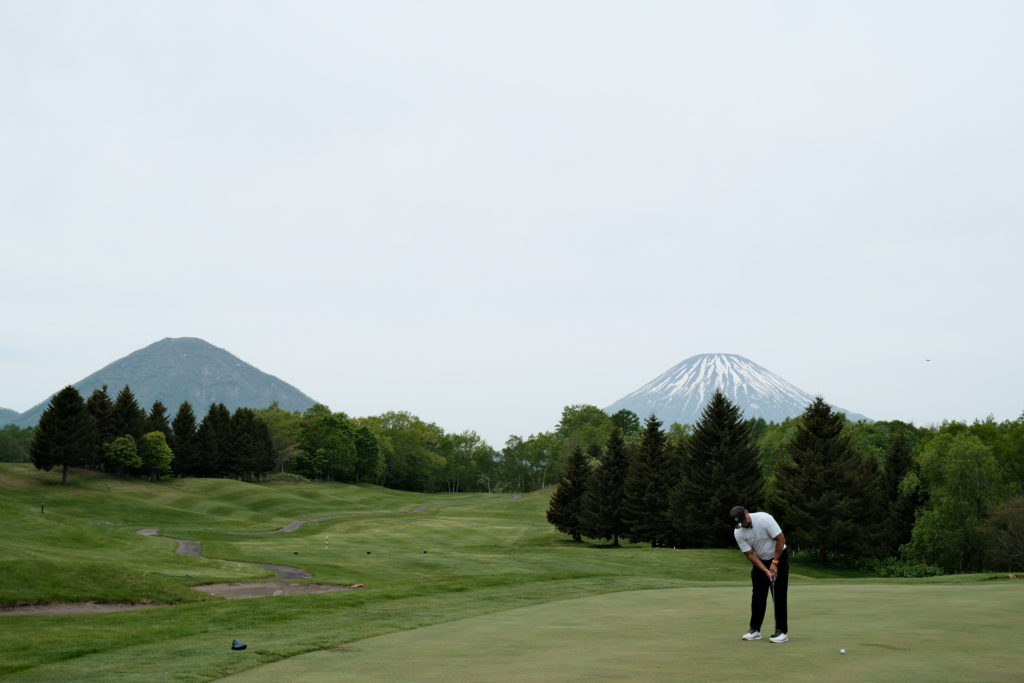
Riverwood is always in immaculate condition. The layout, however challenging, is playable from each tee configuration, meaning you will always enjoy the challenge the course presents. I believe that’s the key to any good course: a design that works for golfers at every level.
Off the fairways, what does your post-round ritual look like?
It has changed over the years. Recovery was always an important strategy as a player — getting the body and mind ready for the next day’s competitive round. These days I do much the same, visiting the onsen, which most courses here have available. It’s become a place to relax, reflect and reminisce about the experiences golf provides. An absolute must, and a uniquely Japanese part of the game.
That’s usually followed by a cold drink and either a cold soba noodle teishoku, a tempura set, or a warm ramen on a cooler day.
Soak and Breathe: The Best Niseko Onsens Worth the Visit
As a tour pro and an instructor, what does coaching teach you that competing doesn’t — and vice versa?
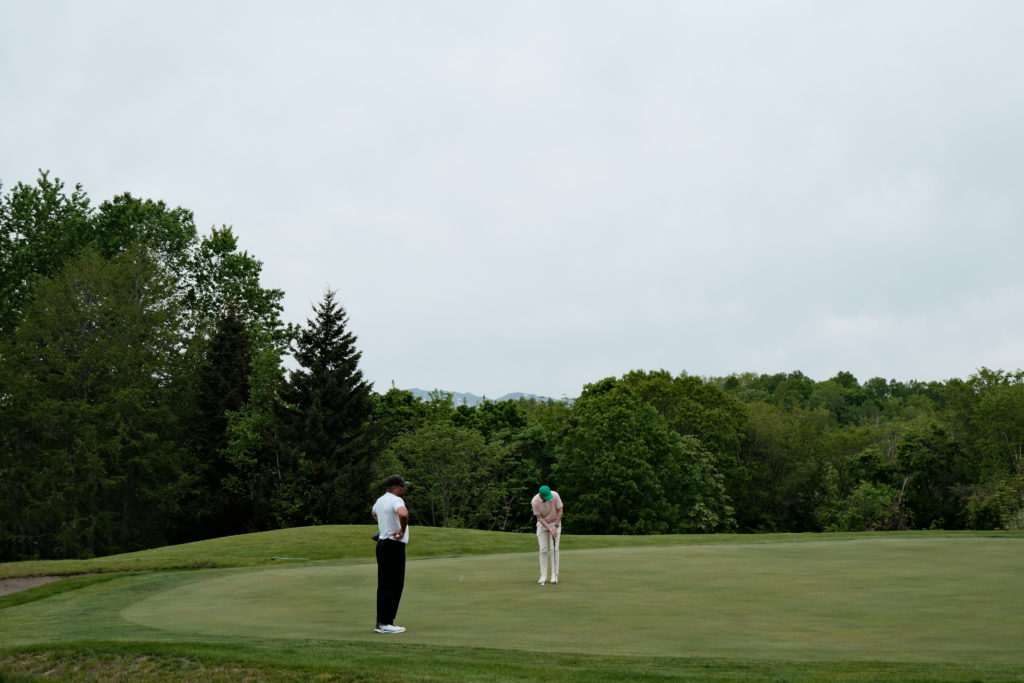
As a player, golf teaches you how difficult this game really is — and what a microcosm of life it can be. It challenges you physically and mentally, and tests your individual skill sets endlessly. It brings joy and elation, but also disappointment. Those things exist because of your pursuit of excellence, and how you navigate your experiences and emotions to achieve your goals.
In coaching, the same things exist just at different levels. I find myself relating to my students and trying to help them understand what is happening, set strategies to improve their skills, then transfer those skills to the course. The course is the arena, to borrow a term from rugby which I love, and that is where a player’s performance is truly seen and experienced.
Any common mistakes you see in your students and quick fixes you offer them?
Golf involves many different aspects — whether attaining specific skills, controlling the ball’s flight or increasing distance while maintaining control. My job is to find a solution for whoever I have the privilege of helping improve. A great coach simplifies a game of complex detail and communicates it clearly, so the player has real clarity around what they need to do.
What I find most commonly is that people’s concept of what they’re trying to do is slightly off. More often than not, there’s an initial conversation: educating them on what is actually supposed to happen can bring about a quick and meaningful change to their performance.
What piece of advice would you give a golfer teeing off in Hokkaido for the first time?
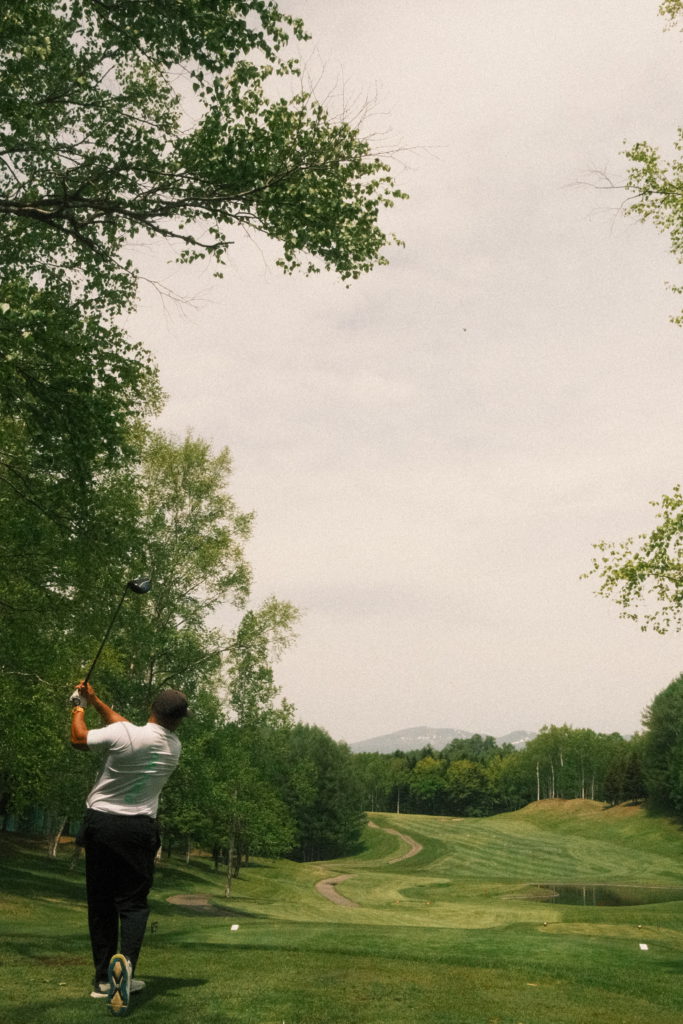
When it’s breezy, swing it easy!
Lastly, where would you send the golf widows?
Not my department, I’m afraid.
Luckily, it’s ours.
From ice cream hopping in Niseko to a day chasing thrills at Rusutsu Amusement Park, nobody has to sit in a buggy if they don’t want to. Here’s a few ideas:
There’s No Place Like HOKKAIDian Homestead: Inside Hokkaido’s Most Intimate Gourmet Experience
Net Gains: Where to Play Padel and Pickleball in Hokkaido This Summer
Everything You Need To Know About Visiting Furano’s Flower Fields